

Medial Tibial Stress Syndrome (MTSS), or shin splints, occurs on the inside edge of the shinbone (tibia). The pain is the result of stress on the tibia and caused by inflammation of the muscles, tendons, and bone tissue around the bone. The site of pain is usually at the point where the muscle attaches to the tibia.
Mostly seen in runners, it’s more likely to occur if the running surface is hard, improper footwear is worn during running, or from increasing activity levels too quickly. In some situations the biomechanics of the feet can also play a part in the condition occurring.
Shin splints is a cumulative stress disorder. Repeated, high intensity or sudden increases in activity puts stress on the bones, muscles and joints before they have time to naturally repair. The pain is often too severe to continue with the activity.
This guide explains what shin splints are, how and when they might occur, highlights the most important steps to take when shin splints do occur, and how to avoid them in the future.
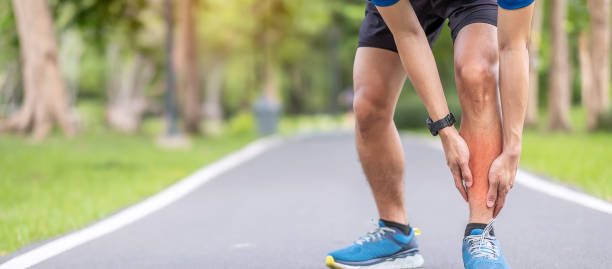
Causes of shin splints
Shin splints are usually always exercise or activity-related. Any vigorous activity can cause shin splints to occur, particularly if you’re starting a new exercise regime; but most often it’s running (or activities that involve running) which leads to someone getting shin splints.
This is because shin splints occur when the muscle and bone tissue in the front of the leg become stressed through over-work, caused by repetitive activity. This can happen in one or both legs.
If you suddenly change the type, intensity or frequency of activity this can trigger shin splints too. For example, if you start exercising more often (more times per week), increasing the intensity (going faster or, in the case of running, choosing a hillier route or harder surface) or perform the activity for longer (increasing the time spent running in one session).
For some people, other factors might also contribute to shin splints occurring.
- Having flat feet causes the arch to roll inwards too much (over-pronation). Because the shin muscles are involved in maintaining the instep or arch of the foot, having flat feet can place extra tension on the muscles that are close to the shin.
- Having high arches can prevent the feet from absorbing shock from the ground when running creating extra stress on the muscles and tibia bone.
- Wearing old, unsupportive or inappropriate footwear when undertaking the exercise.
- Weak or tight supporting structures such as ankles, hips or core muscles.

Symptoms of shin splints
You might be wondering how you can tell if it’s shin splints you’re suffering with, or just the usual aches and pains from exercise. Here are some of the most common symptoms so that you can make your own assessment as to whether or not you think you’re experiencing the condition. If you’re not sure, consult a Podiatrist as they are specially trained to identify and help remedy these types of conditions:
- Tenderness, soreness and pain along the inner side of the bottom half of shin bone
- Pain that occurs generally at the start but also during exercise and can remain after exercise
- Pain which becomes worse if you touch the area
- Pain characterised by being either sharp or dull and throbbing.
Treatment for shin splints
With proper treatment, shin splints don’t usually cause lasting problems. Rest, ice, stretching, pain relief, footwear and self management with exercises are all things you can do immediately if you think you are suffering from shin splints.
- Rest – the first thing we suggest to patients is that they take a complete rest from the exercise or activity that has caused the shin splints in the first place. If you like keeping fit and being active, then you can sometimes replace the activity with low impact exercise such as swimming instead
- Medicines – taking over the counter medicines that help reduce the pain and inflammation, such as ibuprofen
- Ice – using ice packs for 20 minutes daily (or when you feel discomfort, up to three times a day) can help manage the symptoms
- Stretches and strengthening – we’ll give you a program of exercises for your lower leg muscles which might help reduce some of the discomfort
- Footwear – choosing shoes that are designed for the activity you’re undertaking will provide the correct support and cushioning for when you are able to re-start the exercise again.
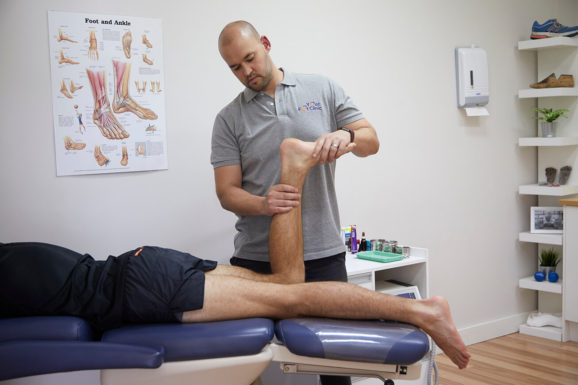
Whilst you can do some things at home to help alleviate the symptoms, a Podiatrist can provide an accurate diagnosis and specific guidance on recovery and returning to exercise. During a consultation, we will:
- Listen to your symptoms and ask questions about what activity you’ve been undertaking
- Examine your legs thoroughly, the movement patterns of your feet and ankles and any visual signs of injury
- Ask to see the shoes you’ve been wearing for the exercise which might be the cause of the issue.
If you have flat feet or high arches, or shin splints keep recurring, we may consider whether orthotics can be used effectively to help. These can help stabilise and support your feet and ankle, reducing the stresses on the joints and structures of your ankles and lower legs that having flat feet causes.
What should you do next?
If you are experiencing shin splints and undergoing treatment, you might be wondering when you can return to exercising again. We recommend making sure you are pain free for a minimum of two weeks. The pain can be totally absent when you’re not undertaking the exercise that caused it, so it can be tempting to think it’s better and get back to the activities that you love.
Once you begin the activity again, start gently, at a lower intensity and check whether any symptom recur. Slowly increase the intensity over a number of weeks – this might be frustrating but it’ll help to ensure that you don’t end up with the same condition again. Overdoing it on the exercise front once you begin again can lead to a stress fracture – this is a small scratch in the tibia and is usually diagnosed by having an MRI.
Regularly exercising and stretching the feet, ankles and lower legs can help the muscles to provide the best support for your body. Cross training with exercises other than your primary one, which are lower intensity and impact, can also help you stay active whilst avoiding the problem from recurring.
Adding a strength component to your regime to help support and stabilise your ankles and legs to prepare for high impact or intensity sport can also help prevent shin splints from occurring. Make sure you include time to warm up before exercising too, incorporating a stretching routine into your exercise habits. Stop any exercises if they trigger symptoms or cause new pain and contact a Podiatrist if you need some personal advice.
If you’re experiencing pain or would like some advice about how to look after your feet, ankles or lower legs then book an appointment at your nearest clinic. At Your Foot Clinic, our Podiatrists provide a thorough analysis of your feet, footwear, lifestyle and needs in order to tailor a treatment plan to suit you.
Book an appointment today
You can call our clinic to arrange a COVID-Safe appointment. Our entire team has completed COVID-19 Infection Control Training and are here to help.