

With the NRL, AFL and the Melbourne Cup still in recent memory and the weather now truly summertime, you might be inspired to start a new sport (or return to an existing one).
Choosing the right footwear for the sport and exercise that you take part in this summer is really important not only for your own performance but also the protection of your feet. If you’re planning a post-lockdown sporting hobby and your runners are worn out from all the walking you’ve been doing, then here are some steps to follow before you get going.
Where to start when taking on a new sport
Cricket, golf, running or another team or racket sport – take some time to investigate what’s involved when it comes to the load on your feet and the most suitable footwear so that you can avoid long-term problems from occurring.
If you’re playing squash for example, the load and impact on your feet is very different to playing a game of footy and so the shoes you wear should be too.
Sore heels (plantar fasciitis), shin splints, joint and muscle pain are all indicators of poor foot function and maybe the start of conditions that you would probably like to avoid. Knowing what you need in a shoe and what you look for can help with this.
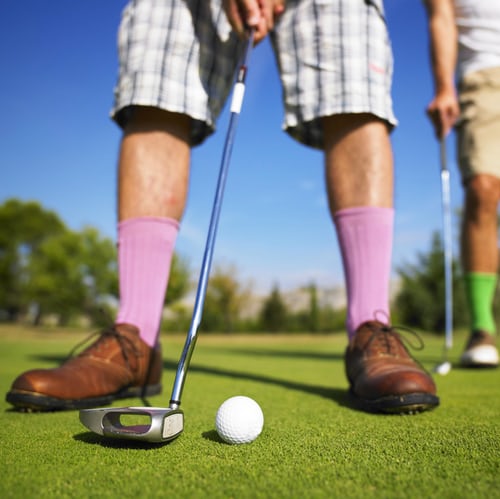
Why choosing the right footwear is so important
Feet serve as the foundation for your entire body in terms of support, balance, posture. They are complex structures with over 100 muscles, ligaments and tendons as well as 26 bones and 33 joints – each of which need to be carefully looked after. When you have ongoing foot problems, you can experience pain or develop conditions in other parts of your body including legs, knees, hips and lower back.
The Healthy Feet Survey, conducted in Australia three years ago, reported that almost half of Australians (48%) wake up with heel, arch or foot pain at least once a week and 6% of those in the survey said they experienced the condition every day.
To avoid being one of these statistics, consider the activity you would like to undertake and the specific needs that the footwear has to serve so that your feet can function at their best.
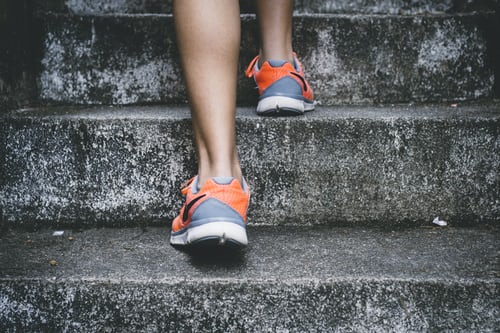
What shoes are best for each activity
The general rule we use at Your Foot Clinic is comfort and fit over style and cost. You don’t have to wear poorly fitting shoes very often for them to have a big impact on your feet and other parts of your body.
Trainers, runners, sneakers – whatever you call them – they vary in design, material, and weight. These differences have been developed to protect the specific areas of the feet that are most stressed or impacted during a particular physical activity. Supportive, comfortable and properly fitting shoes are therefore a major contributor to good foot health because they evenly distribute the weight of your body and lessen the impact of the activity you’re doing.
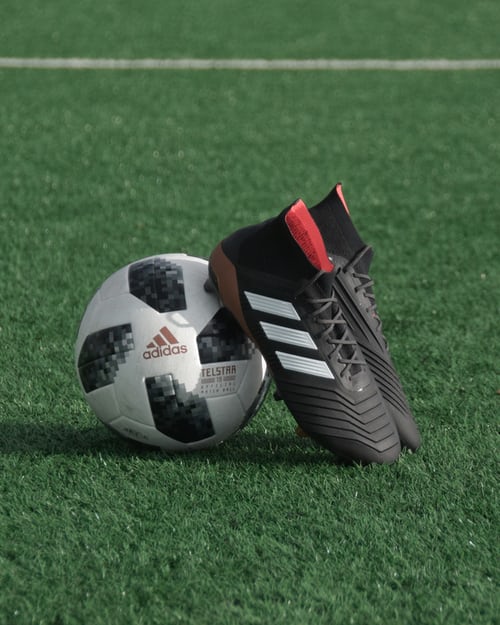
- Buy from a specialist store
If possible, purchase your shoes from a store that specialises in the activity you’re undertaking. There will usually be a good range to choose from and often the staff will have some experience or expertise that can help guide you – both in knowing the type of shoe you need and with the fitting.
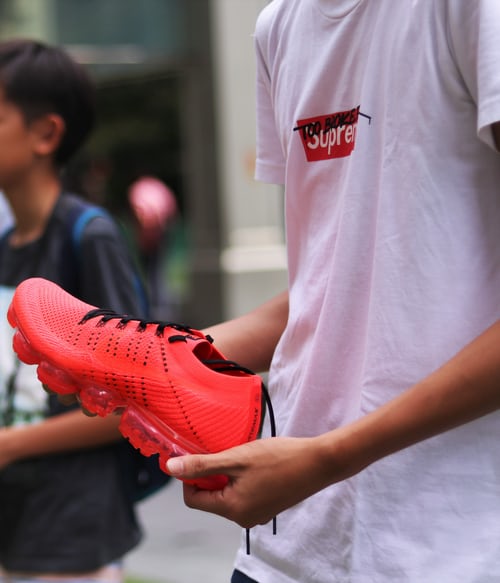
- Fit shoes when your feet are at their biggest
Make sure that the shoes fit comfortably when your feet are at their largest. This is generally after sport or at the end of the day as feet swell during the day. When you’re trying on the shoes, wear the type of sock that you will wear when you’re doing the activity which you’re buying them for. If you already wear orthotics then bring them to the store too as the shoes need to fit well with them inside.
- Check the heels, toes and fastenings
Re-lace the shoes into a cross-cross pattern if they’re not already, making sure you tighten them from the front (i.e. the toe-end of the shoe) first.
When checking the heel, you should feel a firm grip from the shoe to your heel; and there should never be any slipping when you walk or run.
When you’re wearing the shoe and they’re fastened up, you should still be able to freely wiggle all of your toes. Generally allow one thumb thickness between your longest toe and the end of the shoe.
There’s no such thing as ‘breaking shoes in’. They should be comfortable straight away. If they’re not then you’ve chosen the wrong ones for your feet. Walk or run a few steps in the shoes to make sure this is the case.
- Buy one pair of shoes for each sport or activity
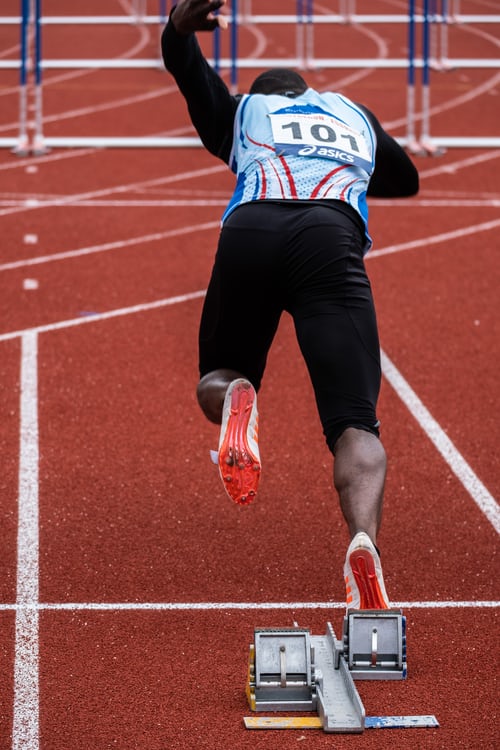
A sport-specific shoe may be necessary if you participate in the same sport more than twice a week. Some shoes are stiffer, others more flexible. Some have extra cushioning for impact and in other cases this is not needed. If you regularly take part in very different sporting exercises then make sure you have footwear for each specific activity.
- Change shoes regularly
After 500-800 kms of running or 300 hours of exercise, the cushioning material in the shoe can wear down. If you notice this or that they’re becoming less supportive or comfortable then it might be time to replace them.
How to look after your feet properly
Most problems experienced by people who come into our clinic have the potential to be avoided. You can do the best thing for your feet by making good footwear choices.
You can also follow these steps for healthy feet:
- Make sure your shoes and socks are dry each time you wear them to avoid fungal infections
- Address issues early by checking the condition of your shoes or speaking to a Podiatrist
- Check your feet regularly for signs of stress such as toenails becoming discolored or mis-shapen; or lumps on your feet where bones are growing outwards.
Where to get help
If you’re experiencing foot pain or have in the past when exercising, check in with a Podiatrist to make sure you avoid the same thing occurring or worsening. A Podiatrist is entirely dedicated to the assessment, diagnosis, and treatment of disorders of the foot, ankle and lower limbs. Seeking the advice of a specialist in this area can get you the help and solutions you need.
You can call our clinic to arrange a COVID-Safe appointment. Our entire team has completed COVID-19 Infection Control Training and are here to help. Our three clinics across Melbourne offer a range of services:
- Foot pain and sports injury assessment and treatment
- Nail care and surgery
- Advising on and designing Orthotics
- A range of treatment options including shockwave therapy and athlete’s foot treatment