

Running with flat feet is entirely possible. However, without proper technique and footwear, you may experience discomfort or fatigue in your feet, knees, or lower back. Understanding your foot structure and taking preventive steps can help you enjoy running safely and pain-free.
Key Takeaways
- Flat feet can cause overpronation, which affects your ankles, knees, and hips while running.
- Supportive footwear, strength training, and orthotics can help prevent pain or injury.
- A podiatrist can assess your gait, posture, and footwear to improve technique.
- Video gait and plantar pressure assessments help identify biomechanical issues for tailored care.

Understanding How Flat Feet Affect Running
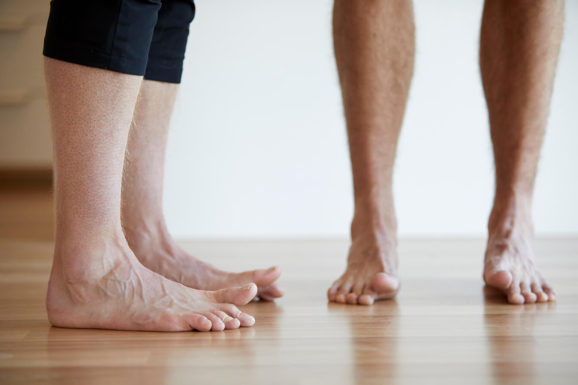
Around 20–30% of the population have flat feet where the arches collapse or appear flat when standing. This reduces the natural spring and support of the foot, causing the entire sole to touch the ground. Over time, this may lead to overpronation, where the foot rolls inward too much during motion.
While some pronation is normal and helps absorb shock, excessive inward rolling can misalign the ankle and leg bones, leading to pain in the ankles, knees, hips, or back.
If you notice uneven wear on your shoes or pain after running, you may benefit from a podiatry assessment to identify potential foot posture problems.
People with flat feet can still enjoy running. They may simply need the right footwear, improved technique, and sometimes orthotics to provide proper arch support.
Techniques for Running with Flat Feet
Running places up to three times your body weight through each foot with every step. For people with flat feet, that stress can build up faster, leading to heel, knee, or lower back pain.
Here are a few techniques that can help:
- Run on even ground: Avoid uneven or sloped surfaces that force your feet to roll inward further.
- Land lightly: Focus on balanced posture and controlled landing to distribute impact evenly.
- Wear supportive shoes: Choose running shoes that provide arch support and correct overpronation.
- Build strength: Include exercises for your feet, calves, and glutes to stabilise your gait.
If discomfort persists, speak to a podiatrist for a running technique assessment to improve your running form and reduce injury risk.
Professional Assessment and Treatment Options
Podiatrists focus on three main areas when helping runners with flat feet:
- Foot and lower limb analysis: Assessing posture, alignment, and movement patterns.
- Footwear suitability: Reviewing the fit, support, and structure of your current shoes.
- Exercise and load management: Prescribing strengthening and stretching routines to improve resilience.
In some cases, custom orthotics may be recommended to restore balance, reduce strain, and allow you to maintain mileage safely.
Footwear Assessment for Runners
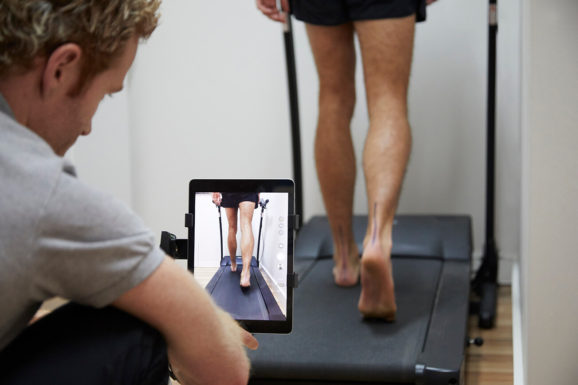
Having the right footwear is crucial for preventing injury and maintaining comfort. During a footwear assessment, podiatrists evaluate:
- The support level and cushioning of your shoes.
- The fit for your foot shape and size.
- Whether the design suits your activity level and running style.
Your Foot Clinic podiatrists ensure your shoes complement your foot function, whether you need flexible, cushioned, or stabilised options that suit your running goals.
Running Technique Assessment
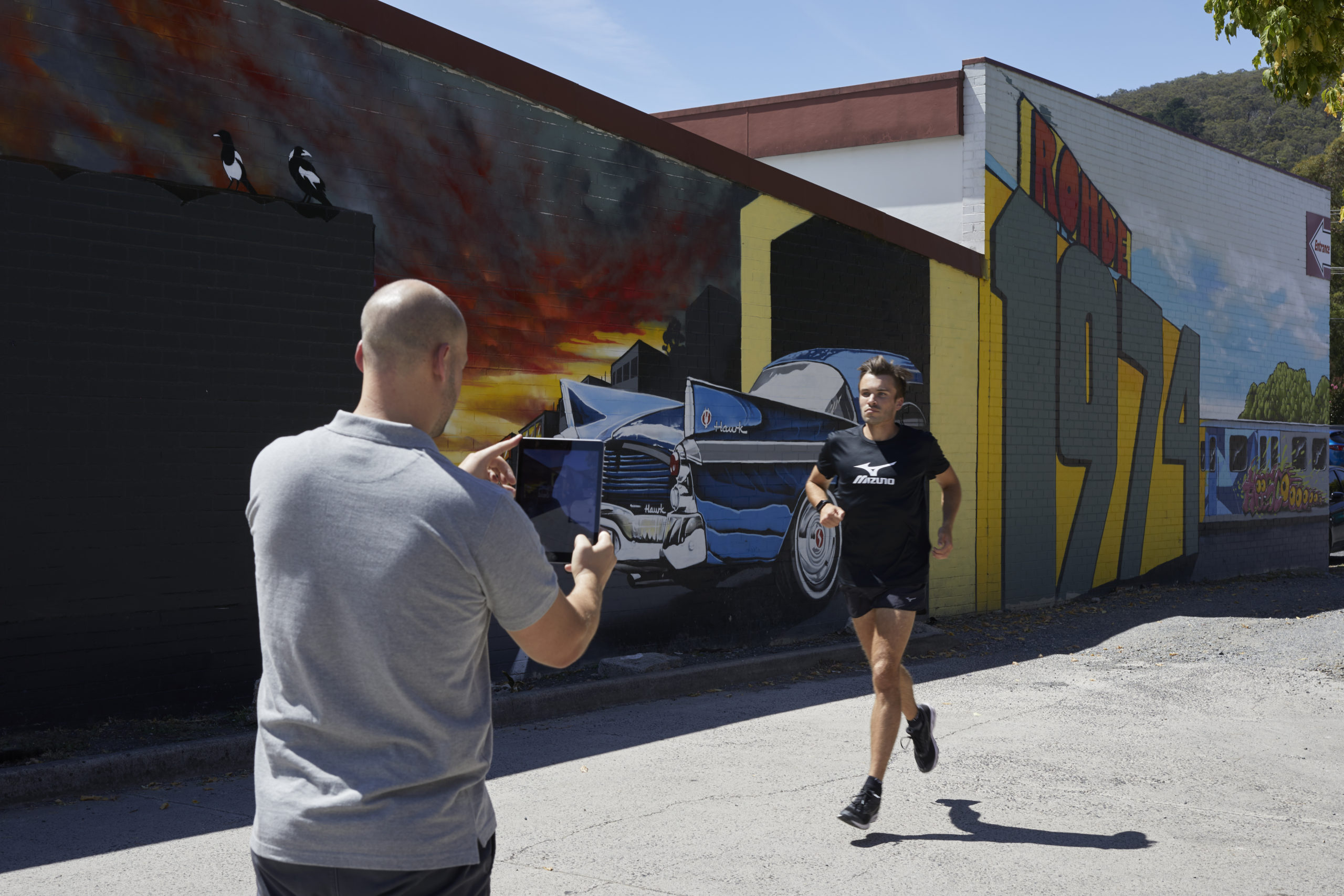
A video gait analysis helps identify the root cause of pain or performance issues.
Using treadmill-based video assessment and plantar pressure mapping, your podiatrist can observe your gait patterns, stride, and weight distribution.
This information helps develop a custom treatment plan to correct biomechanics, improve performance, and prevent injuries.
It’s a valuable service for runners of all levels, whether you’re training for a marathon or simply want to run pain-free.
Recommended Exercises
Strengthening and mobility exercises can greatly benefit runners with flat feet. These routines improve flexibility, stability, and endurance in the lower limbs.
Before running:
- Light jogging, skipping, and lunges to activate muscles.
- Dynamic stretches for calves, hamstrings, and arches.
After running:
- Static stretches for hamstrings and quads.
- Rolling the foot on a tennis or spikey ball.
- Foam rolling tight calf and thigh muscles.
Your podiatrist may also recommend a personalised plan based on your needs.
To start strengthening your feet, explore our guide on foot strengthening exercises for runners.
Choosing the Right Running Shoes
Footwear technology continues to evolve, but choosing shoes that match your individual foot type remains essential.
Look for features that promote stability and reduce overpronation, such as a firm midsole and proper arch support.
Tips for choosing running shoes:
- Replace shoes every 800 km of use.
- Ensure a wide, comfortable toe box.
- Choose shoes designed for flat or overpronated feet.
Brands like Asics, Hoka One One, Mizuno, New Balance, and Salomon offer reliable stability models.
For added support, custom orthotics can be fitted inside your shoes to enhance comfort and alignment.
Book an Appointment with Your Foot Clinic
At Your Foot Clinic, our podiatrists provide detailed assessments for runners, from foot structure and running technique to footwear advice.
If you’re experiencing discomfort or want to improve your performance safely, our team can help.
Book an appointment today at our Ferntree Gully or Doncaster East clinics to get started.
Book an appointment today
Sources:
https://www.livestrong.com/article/13730338-running-statistics/
https://runrepeat.com/fitness-trends
https://www.runnersworld.com/uk/gear/shoes/a776671/best-running-shoes/
https://www.statista.com/topics/1743/running-and-jogging/
https://www.healthline.com/health/types-of-feet#takeaway
https://www.runsociety.com/health-injuries/how-does-running-affect-me-if-i-have-flat-feet/
https://www.theguardian.com/lifeandstyle/the-running-blog/2014/jul/31/running-technique-why-form-matters