

Choosing shoes that fit well and suit your daily activities can have a major impact on your comfort, posture and long-term mobility. The feet absorb thousands of steps every day, and the footwear you rely on plays a key role in keeping them strong, stable and injury free.
Key Takeaways
- Shoes influence foot posture, shock absorption and overall body alignment.
- Poorly fitting shoes can contribute to corns, calluses, bunions, ingrown toenails and joint strain.
- Foot type, activity level and age all affect the type of shoe you need.
- Rotating shoes and investing in good-quality footwear can prevent long-term issues.
- A podiatrist can assess your foot structure, walking pattern and footwear needs.
Why Footwear Matters for Healthy Feet
The average person walks more than 160,000 kilometres in their lifetime. That level of load makes it important for shoes to not only fit well but to also support the natural movement of the feet.
If shoes do not match your foot type or activity, pressure can build in certain areas. This may lead to discomfort in the feet, knees, hips or lower back. People with flat feet or high arches are especially sensitive to changes in footwear, as these foot types affect shock absorption and balance. You can read more about foot posture here: Foot Posture
How Shoes Influence the Body
Posture and Alignment
Feet are the foundation of the body. When the foot rolls in or out excessively, it can change how the knees, hips and lower back move. This often becomes noticeable when walking or standing for long periods.
Pressure and Shock Absorption
High-arched feet tend to absorb less shock, while flatter feet often roll inward more than ideal. The right shoe can help balance these forces and reduce strain on the joints.
Skin and Nail Health
Shoes that are too tight can cause:
- Corns
- Calluses
- Ingrown toenails
- Areas of pressure or redness
For more information about nail and skin concerns, visit: Nail and Skin Problems
How Footwear Design Affects the Feet
Footwear alters how you walk, land, balance and push off the ground. Narrow toe boxes, rigid soles or high heels change foot movement and can increase strain through the legs. Likewise, shoes with too much cushioning or not enough support may not suit your foot structure.
Many people wear footwear that is too tight or too small, especially in formal or fashion styles. Over time, this can contribute to structural changes such as bunions or claw toes. Learn more about bunions here: Bunions on Your Feet
Choosing Footwear for Different Activities
Formal Shoes
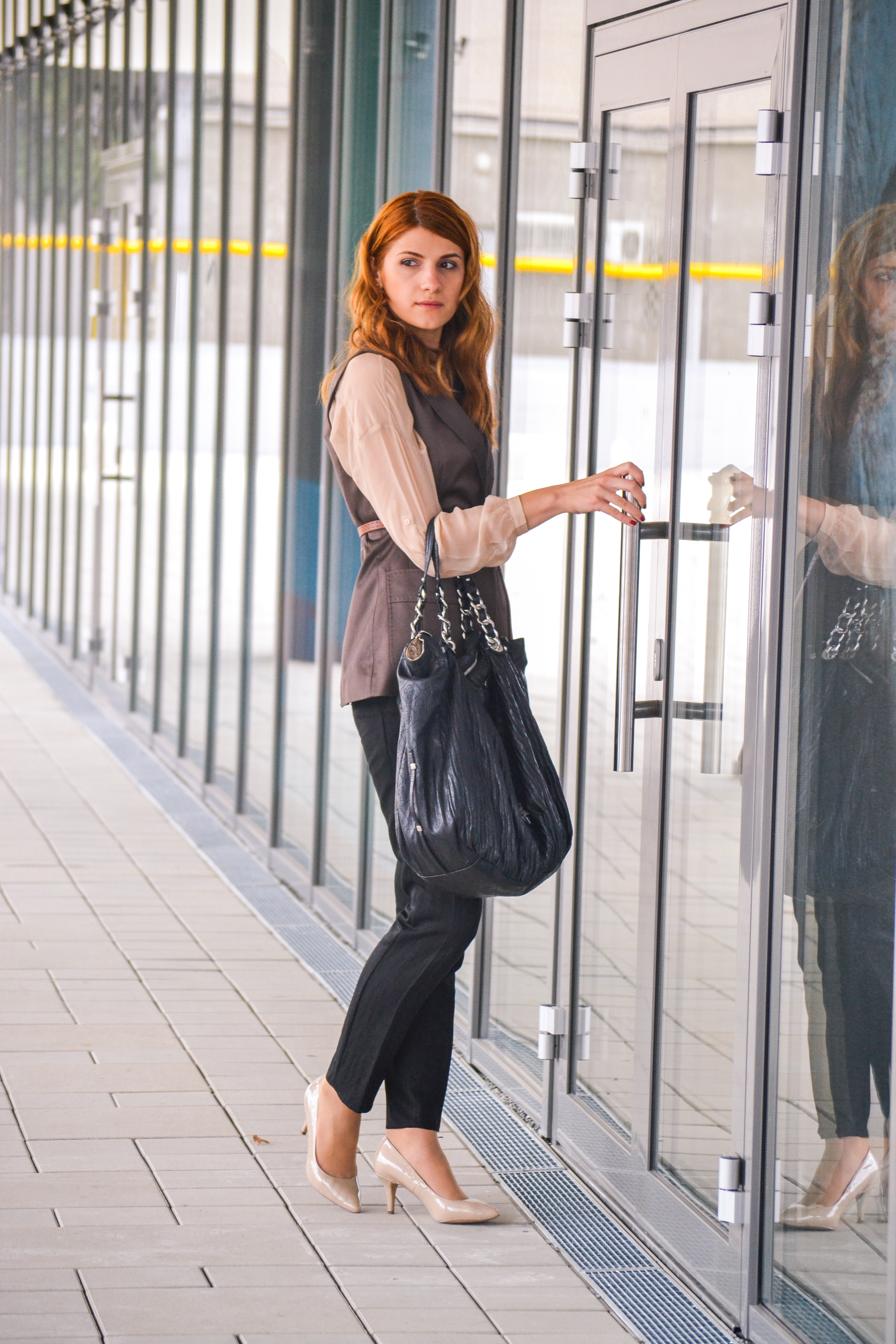
Tighter designs and higher heels place additional stress through the toes, forefoot and legs. Wearing these for long periods can lead to calluses, corns and joint discomfort.
Tip: Swap into comfortable shoes for commuting or sitting at a desk.
Athletic Shoes
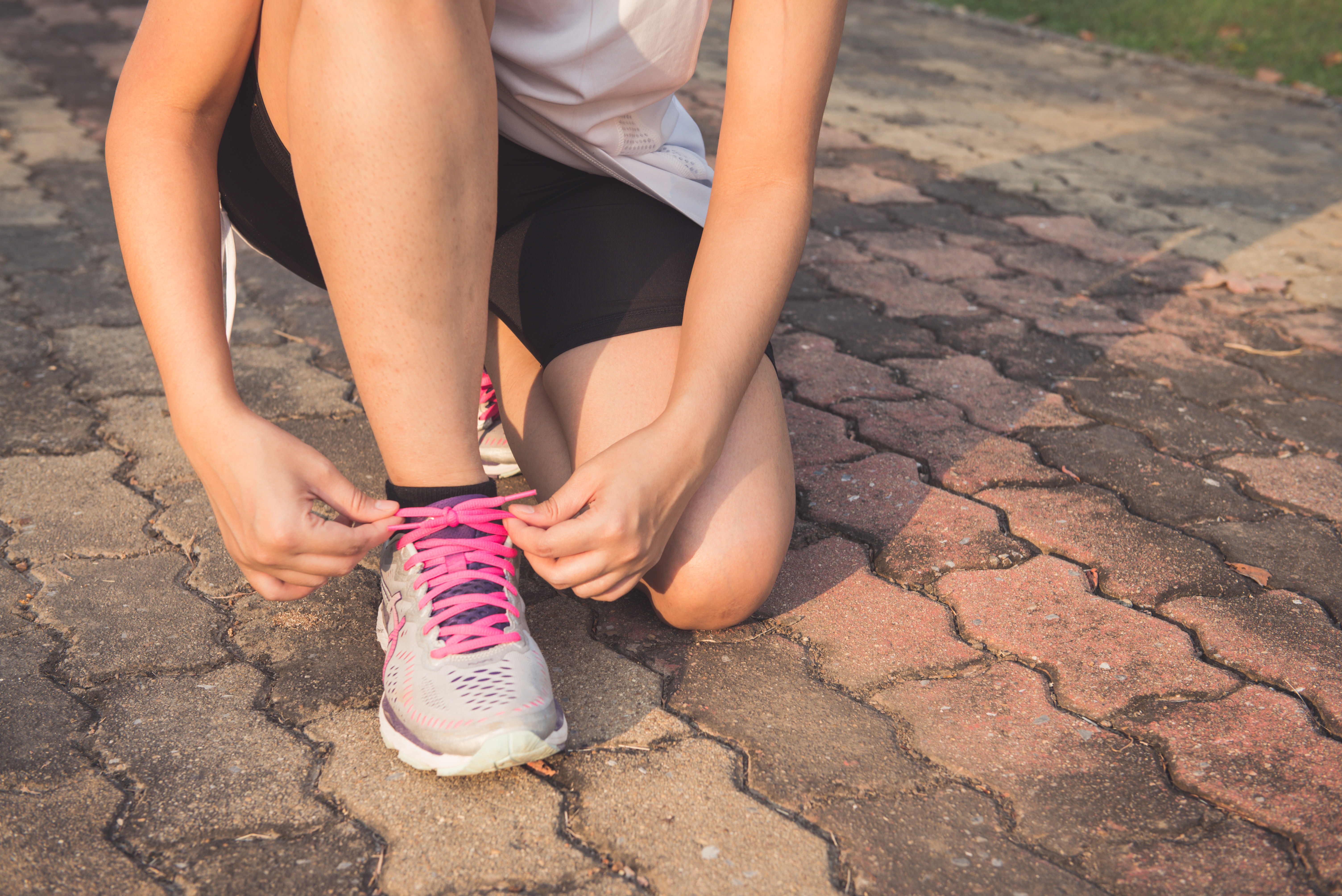
Different sports require different levels of support and cushioning. When choosing athletic shoes, consider:
- Your foot type
- Your running or walking pattern
- The surface you train on
For foot pain related to activity, see our information on: Ankle and Leg Injuries
Worksite Footwear
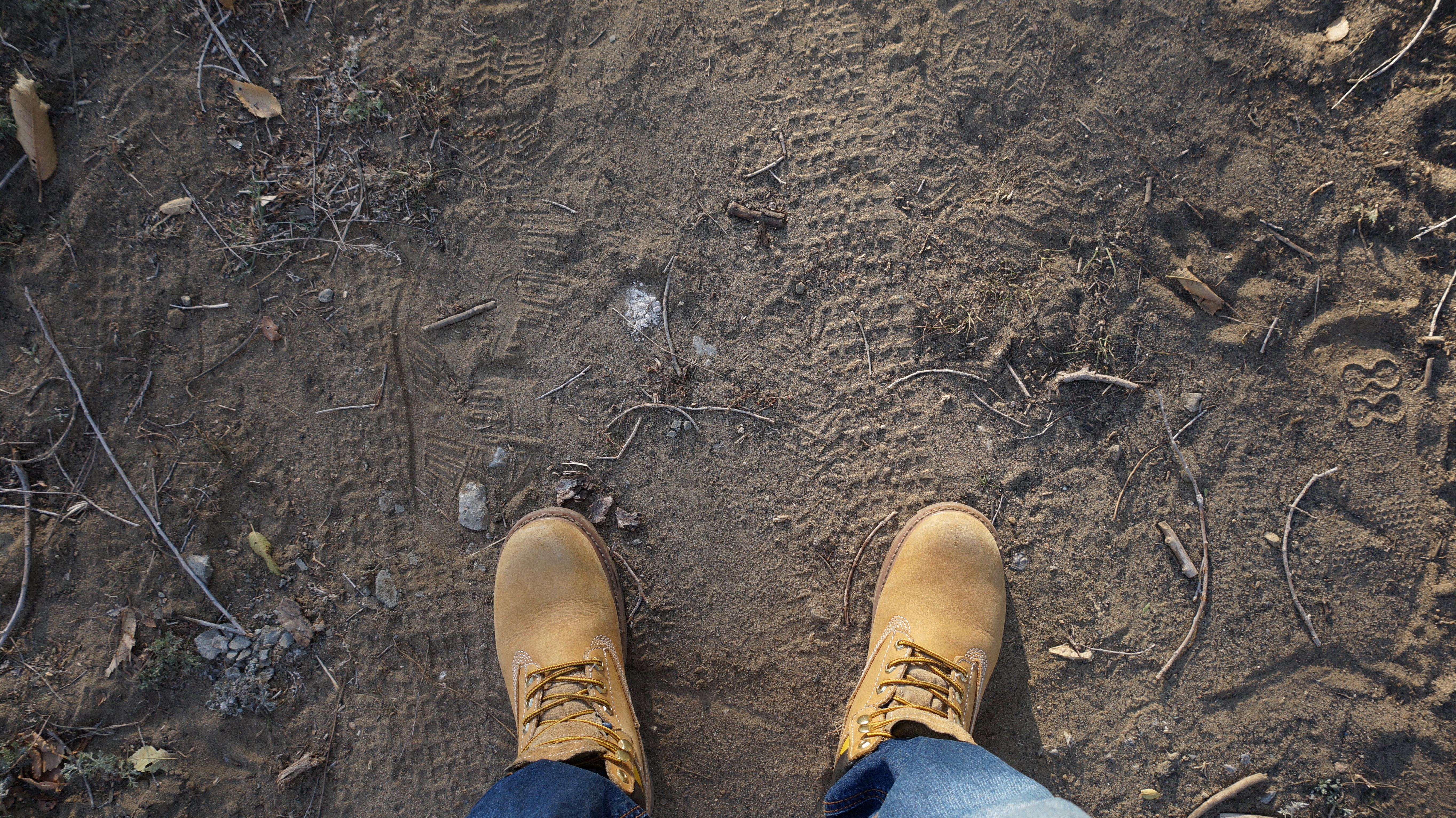
Work boots should provide:
- Adequate cushioning
- Secure support
- Enough room for the toes
- A suitable level of rigidity for long hours on your feet
Summer Footwear
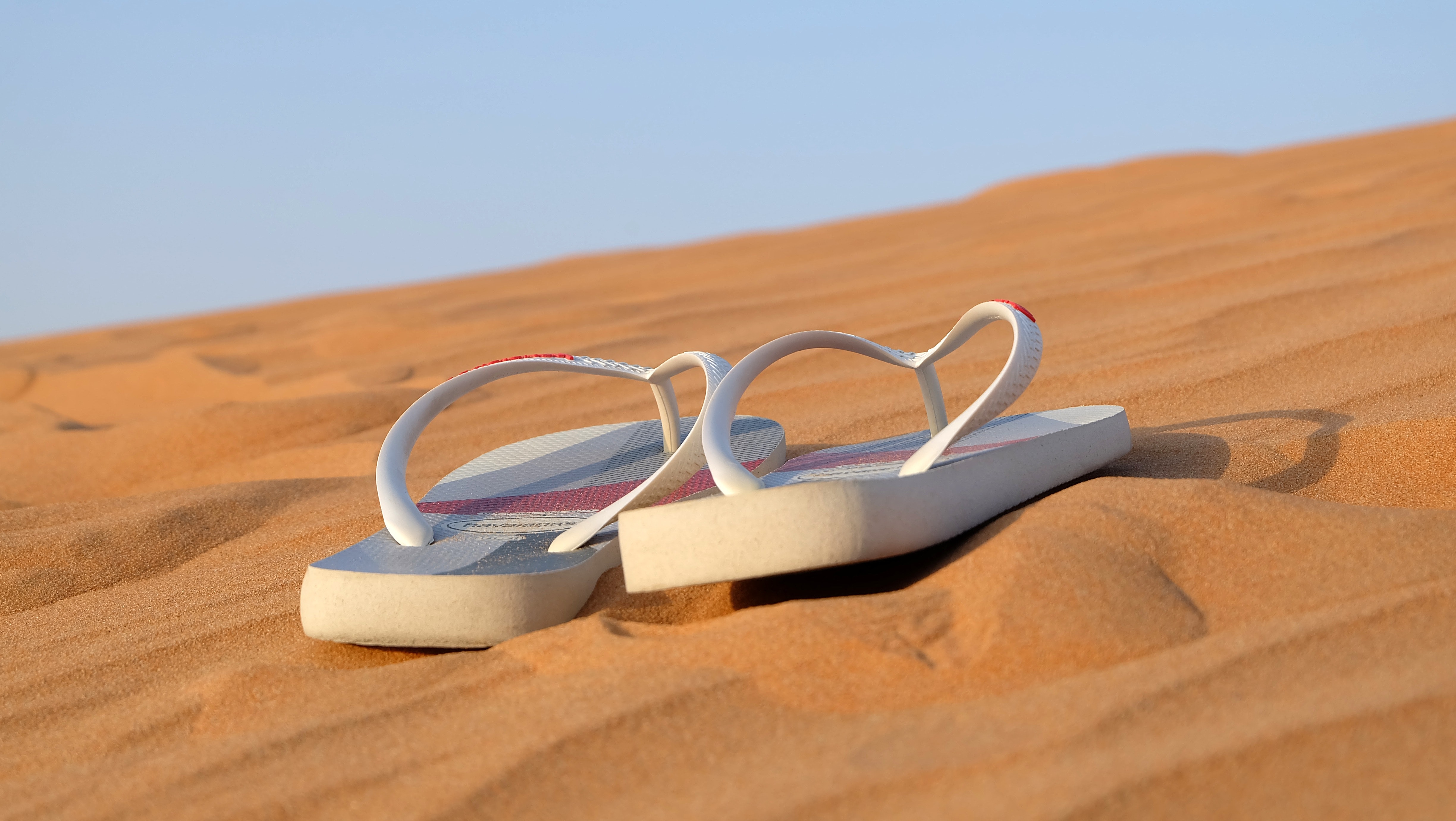
Thongs and sandals often lack support, but some options provide better structure and comfort. Brands like Archies, Orthaheel and Birkenstock offer more supportive alternatives.
Rotate Your Shoes
Alternating footwear day to day changes pressure patterns and helps prevent repetitive strain.
Footwear Across Different Life Stages
Children
Barefoot time is encouraged to build strength and natural movement. When shoes are needed, select lightweight, flexible styles that do not restrict growth.
Related page: Children’s Feet

Adults
Foot structure may change with age or lifestyle. Pregnancy can temporarily alter foot shape and shoe size due to increased laxity in the joints.
Regularly updating athletic shoes and limiting high heels can prevent long-term discomfort.
The Elderly
For older adults, choose shoes that are:
- Easy to fasten
- Supportive
- Cushioned enough to reduce impact
- Stable to help prevent falls
Is Your Footwear Causing Problems?
Signs your shoes may be contributing to pain include:
- Ingrown toenails
- Blisters, corns or calluses
- Heel or arch pain
- Redness or rubbing
- Tired, aching feet after short periods of standing
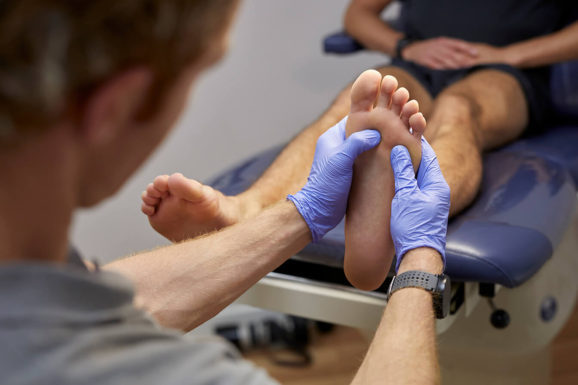
If these symptoms persist, a podiatry consultation can help identify the cause and recommend suitable footwear, orthotics or adjustments. For heel concerns specifically, visit: Heel Pain
Where to Find Better Footwear
Below are some websites that you might find useful if you think that your footwear is causing pain and are looking to buy some new shoes:
- bared.com.au – useful if you’re looking for comfortable fashionable shoes for both men and women
- revereshoes.com.au – great affordable options for summer and winter shoes
- zierashoes.com/au – has options for casual and corporate for middle aged to elderly women
- frankie4.com.au – options for some great casual and work shoes for younger women
- podiatry.org.au – great resource for feet and footwear advice
We’d love to help you with any shoe questions you have. Please give us a call or send us an email and we’ll arrange for one of our Podiatrists to have a free 10 minute chat to answer any questions you have or alternatively book online HERE.
Book an Appointment for Footwear and Foot Health Advice
If your shoes are causing discomfort or you are unsure what type of footwear suits your foot shape or activities, a podiatrist can help. Book an appointment with our team for personalised assessment and recommendations.