

In light of the recent extension of lockdown laws, we’re all getting creative about how we look after ourselves and others. For the foreseeable future we might all be taking on some new pastimes, exercise regimes and working or studying from home. These changes bring with them new challenges for our feet. They may not be high up on your list of things to nurture but it’s important to take care of your paws. Here’s some of our team’s thoughts on how to make sure you have the best possible foot health in lockdown.
Exercise and foot health
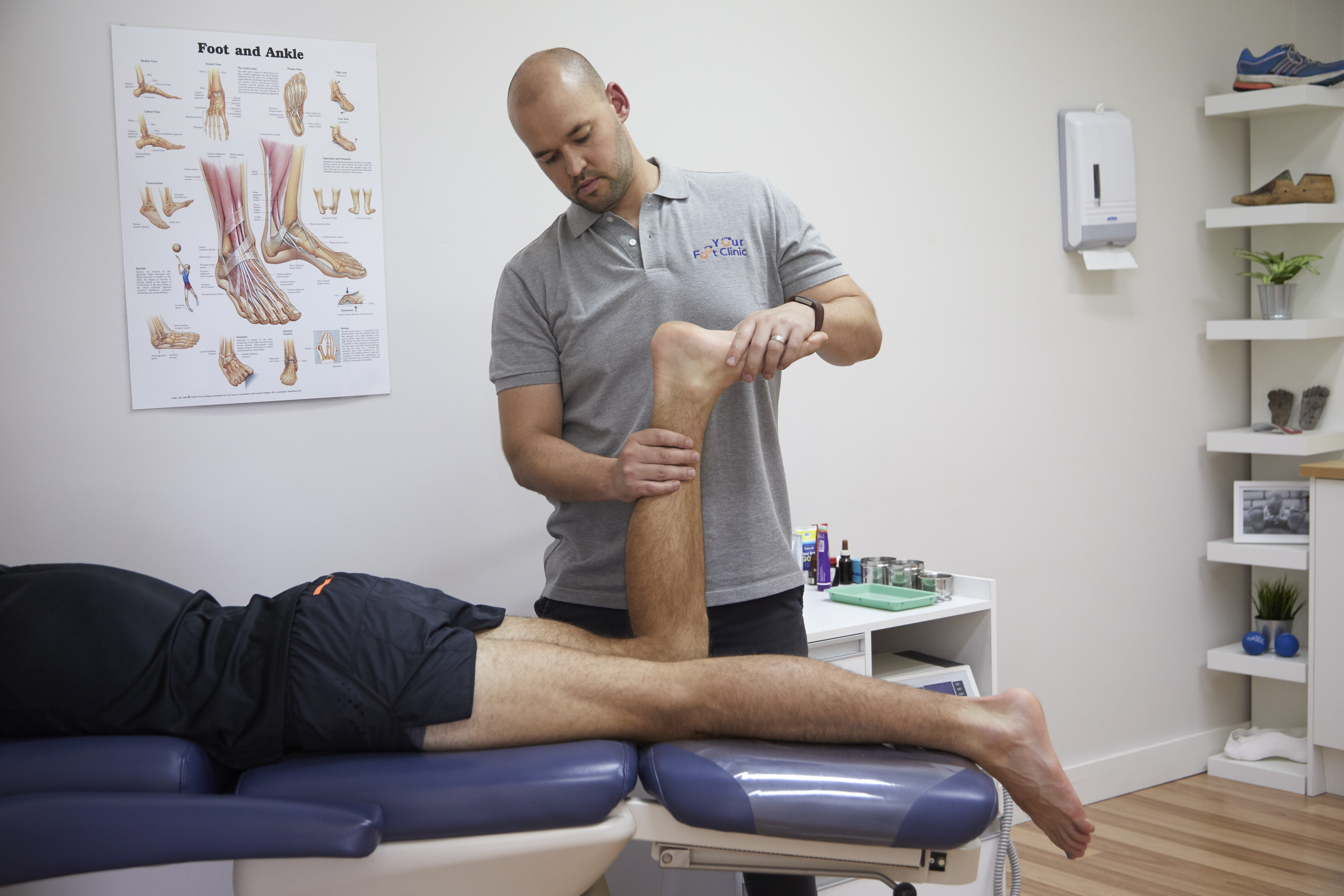
Liam Rothwell talks about exercising appropriately to look after your feet during lockdown.
If you’ve started exercising (such as walking or running) more, then here’s how to make sure you avoid injury:
- Start slowly. Don’t try and run a marathon in your first training session. Build up over time to go further and faster gradually, getting your body (and your feet) used to the load you’re putting it under
- Warm up properly before and stretch after whatever exercise you are doing. It might not feel like you need to,but over time the structure of your feet, ankles and legs can become strained and stressed.
- Choose the right footwear for the activity you are doing. If that’s walking or running then look for shoes that give you the required support and protection you need for the activity you’re undertaking.
- Keep your feet warm and dry. If your feet do get cold and wet then warm them up gradually to avoid chilblains and make sure your shoes are dried out fully before wearing them for more exercise.
Working from a home office
Matt Grant gives us some suggestions about what we should all be doing to care for our feet whilst working or studying from home; and making good footwear choices both inside and out of the house.
With the video camera on your conference calls only showing what you’re wearing from your shoulders upwards, it can be tempting to spend most of the day in your Ugg Boots, thongs, sliders or slippers. Spending excessive amounts of time in these types of footwear can mean that when you do stand or walk around the house, your feet are not properly supported. Slippers should only be worn for short periods and not all day, in the same way you would regular footwear.
On the other hand, if you’re spending a lot of time barefoot then your feet could be exposed to cold floor boards or tiles. When your feet go from cold to hot quickly, it can cause chilblains. Prevention is the key to this condition. Try and keep your body warm and feet well insulated and avoid excessive exposure to the cold.
If you are wearing slippers a lot, then you should replace them regularly as they become worn and loose over time. When buying new ones, consider ones with straps or some kind of fastening to hold them securely onto the feet.
If working or studying at home means you end up sitting for a longer period than you usually would in an office, then set an alarm to schedule time to flex your feet and legs, wriggle your toes and get up frequently to stretch the muscles of the lower body. This keeps the circulation and muscles moving normally and prevents the buildup of fluid in your feet and legs.
You may be out of your office shoes for the time being, but what you choose to wear on your feet is still really important. You can minimise the risk of foot problems occurring by wearing appropriate footwear, even if you’re spending most of the day indoors.
Care regimes to avoid conditions developing
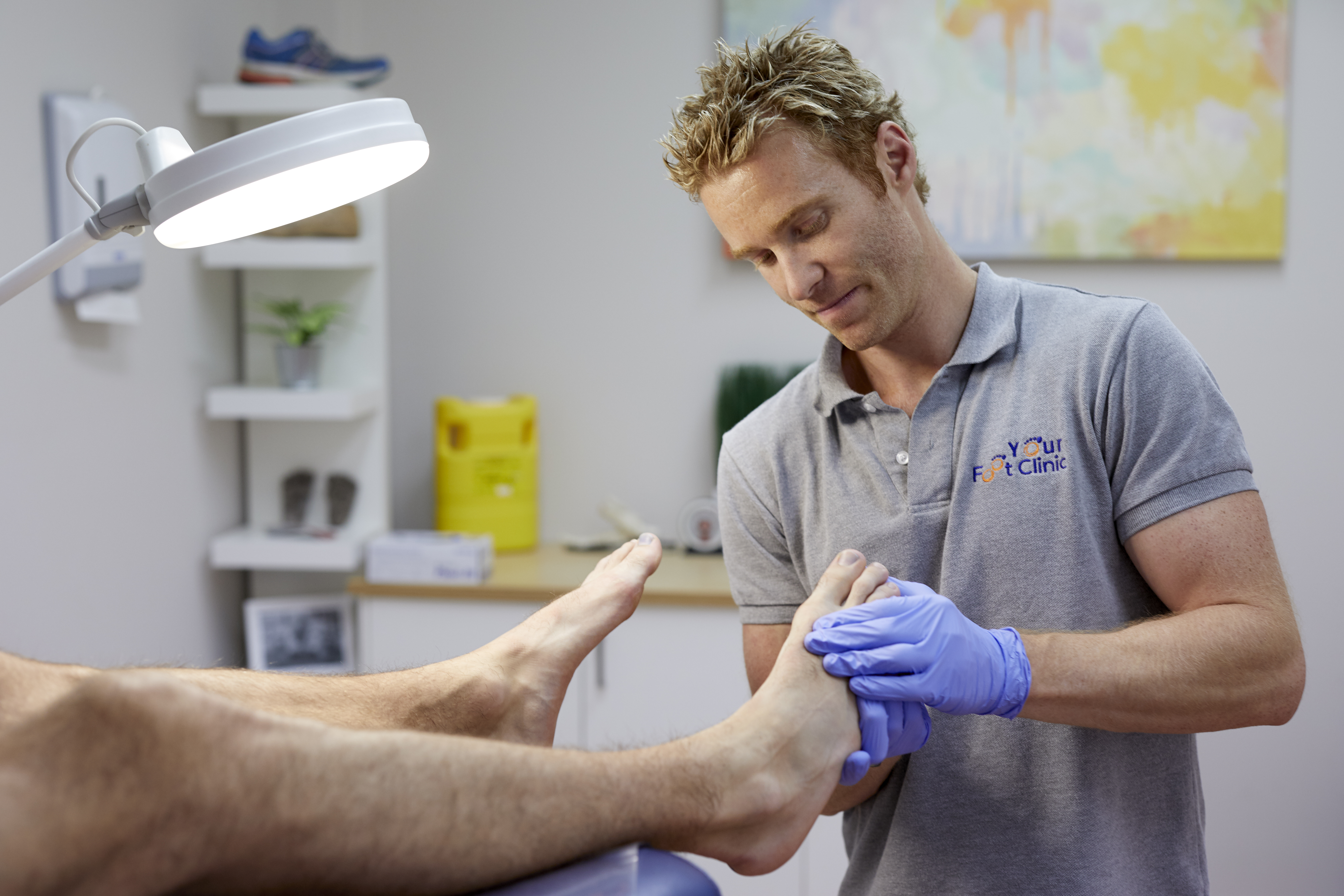
Brett Smith gives us some stay-at-home foot care tips. During this time most people will be wanting to up their general care routines and avoid developing new conditions, or making existing problems worse.
Specific conditions such as ingrown toenails, foot, leg, heel, arch, ankle pain can all cause discomfort. Here’s some ways to make sure the feet are the least of your worries for the next few weeks.
- File away hard skin – use a foot file on a dry foot to buff the skin down. Put a piece of kitchen towel or newspaper on the floor to catch the bits that flake off. Then clean and moisturise your feet. This is best done at night so that it soaks in. Pay particular attention to the heels if they are dry.
- Cut your toenails straight across – this should mean that the edges sit proud of the skin and helps avoid getting ingrown toenails. Don’t try and cut the whole tip off in one go. Leave a bit of the white edge on too as this is a protective seal between skin and the nail. Cut them regularly so that they don’t become ragged or too long.
- Dry in between your toes properly – after a bath or shower make sure you dry in between your toes with a towel or cotton bud with methylated spirits. If you’re spending time at home with socks and shoes on most of the time to keep your feet warm, moisture may not escape from in between your toes which can be a perfect breeding ground for infections.
Exercises to try at home
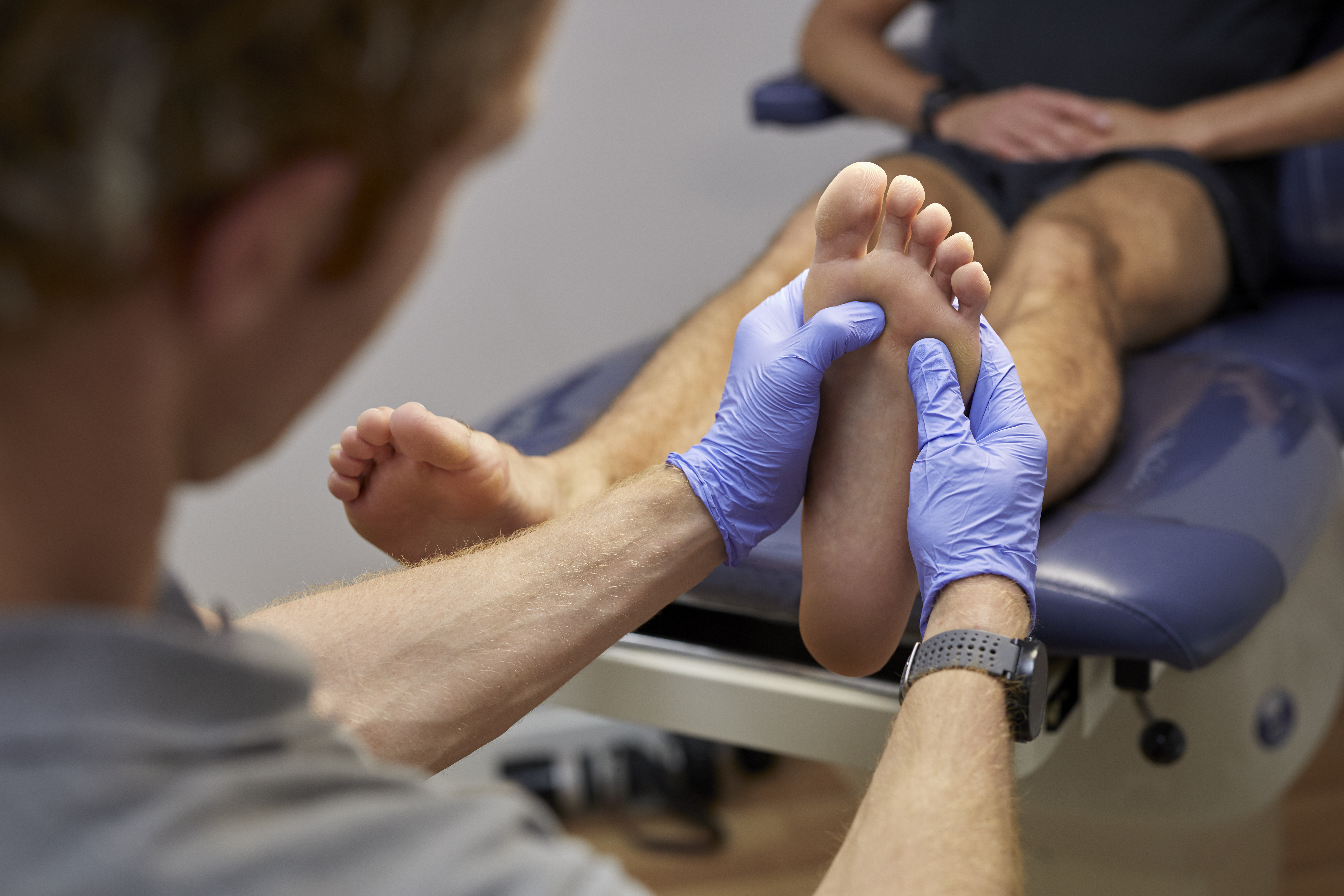
And finally, Laura Page gives us a short foot mobility routine that anyone can do if you’re not doing your usual walking commute, lunchtime trip to the shops or morning coffee shop stop.
It’s not just looking after your foot that means you’ll have good foot health. The structures in your feet are also affected by your ankles and calves too. Here are some tips for at-home stretches and exercise you can do yourself for a few minutes each day:
- Roll on a tennis ball or spikey massage ball. Vary the pressure and direction from the front to back of your foot. Do this for about 3 minutes on each foot. This stimulates and relaxes the muscles of the feet.
- Stretch the Plantar Fascia. Place your toes against the wall whilst your arch and heel stays flat against the ground. Gently push your toes into the wall, stretching them for 30 seconds at a time. Repeat this 3 times on each foot, two or three times during the day.
- Stretch and strengthen calf muscles. Place your toes on the edge of a step and rise up onto them slowly. Hold at the top and slowly lower back down to just below the edge of the step. Perform with two feet, two feet up and one foot down or just one foot all the time depending on your ability. Repeat 12 times each foot three times a day.
- Foam Roll your body. All the muscles in the body are connected, so having, for example, tight shoulders can affect hip alignment and therefore how your foot strikes the floor as you walk. To alleviate muscle tension, use a foam roller starting on your back, then move down towards your glutes, quads and finally, calves.
Checking your feet
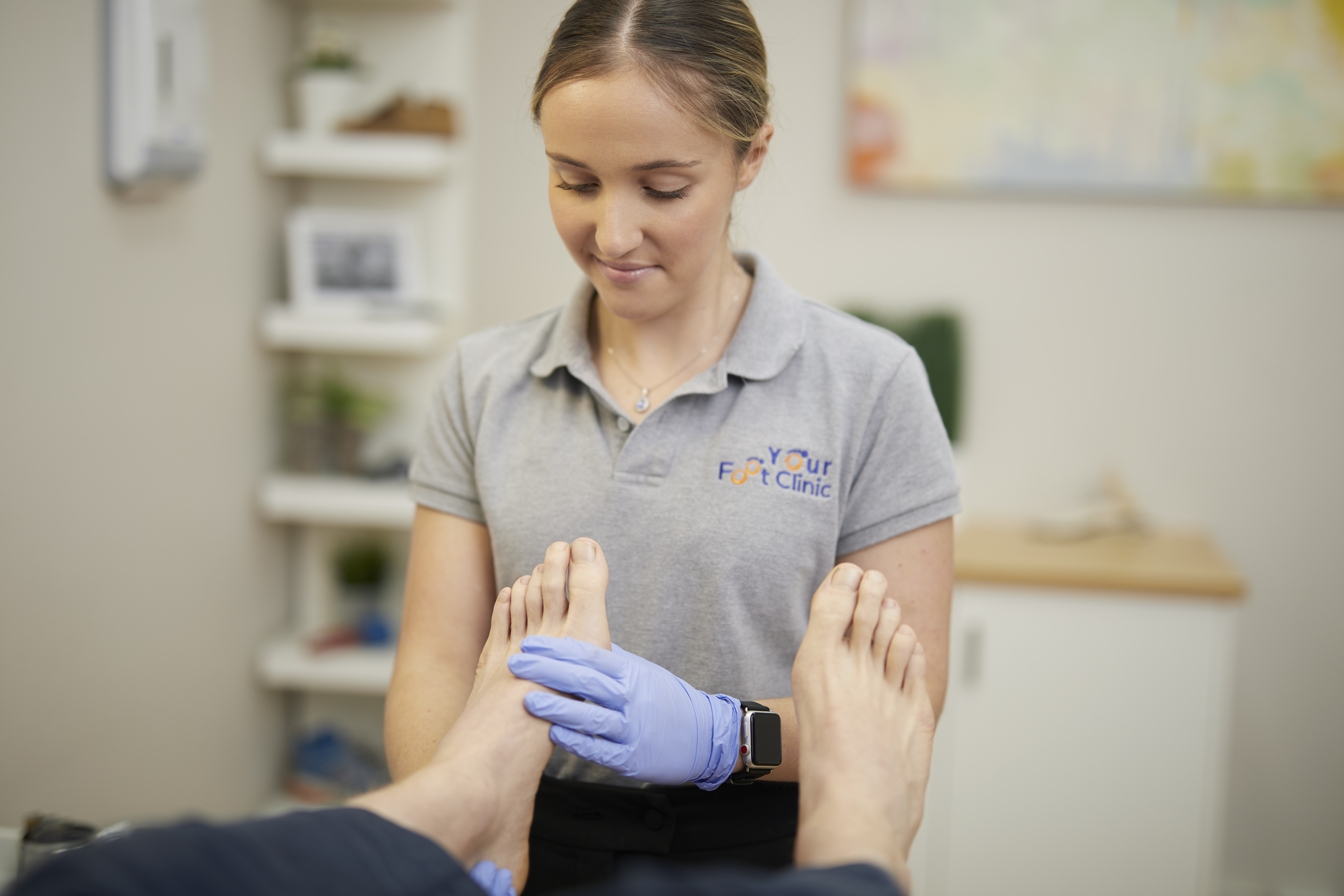
The most important thing you can do at the moment is keep a check on your feet regularly. Look for any changes or signs of discomfort or pain and address them early. Check all the areas of your feet, especially the soles and between the toes, and look for:
- dry skin or, conversely excessive moisture
- thickened skin, which could be calluses or corns
- breaks in the skin, cracks or blisters
- changes in the shape and thickness of your nails.
If you are experiencing any kind of discomfort or foot pain that is persistent or severe, then call our clinic to discuss your suitability for an appointment.. During this lockdown period, government restrictions advise that we remain open but treat a reduced number and type of patients at the moment; but we’re always available at the end of the phone to give you guidance if you’re experiencing pain.