

If you’ve recently been for a walk, bike ride or have been outside to play some sport, the chances are, your hands and feet have become cold. The first thing you’ll want to do is jump in a hot shower to warm up again. If you do, you might notice your hands and feet tingling, looking a red or purple colour and then feeling sore afterwards. If this sounds familiar then you might have chilblains – small lesions caused by the inflammation of tiny blood vessels after exposure to the cold.
Although the condition is short term and usually resolves itself within days to weeks, with repeated exposure to cold weather, you will continue to experience symptoms. We’re only halfway through winter so there will be more cold weather to come. Here’s how to look after your feet for the next few weeks and avoid suffering from this common condition.
What are chilblains?
The condition is usually seen in your toes, but can also affect other extremities such as fingers, nose and earlobes. Chilblains cause you to feel a burning sensation on your skin, tenderness and itching which can become painful.
What do chilblains look like?
Chilblains can vary how they appear depending on the severity and how they affect each person. Generally, you’ll see red or purple bumps and the skin looks swollen and red. Sometimes, with a lot of swelling, your hands and feet may look shiny. If the condition worsens it’s possible to develop blisters.
What causes chilblains in toes and hands?
In cold weather, your hands and feet can become very cold. This causes the small blood vessels near to the surface of your skin to constrict and become smaller to conserve body heat. You might notice your fingers and toes losing colour, looking pale and feeling numb when they are cold.
If these areas of skin then warm up too quickly (for example, by sitting close to a heater or jumping in a hot shower) then the blood rushes into your hands and feet before the blood vessels have time to open back up again. This causes them to burst or blood to leak into nearby tissues, resulting in swelling. The swelling then irritates nerves in the affected area, causing pain.
With repeated exposure to cold, the condition can become worse and take longer to resolve. If the blisters become infected, this may need further treatment. If clothing such, as shoes and gloves, is too tight this can contribute by reducing circulation to these areas.
Not everyone who is exposed to cold and damp conditions will develop chilblains. People who are sensitive to changes in weather and temperature, the elderly, sedentary, teenagers, and people with medical conditions (such as anaemia) are most susceptible to developing the condition.
How are chilblains diagnosed?
If you’ve had chilblains before, you’ll likely recognise the signs and symptoms again straight away. However, if you’ve never had them before you might wonder why your feet look and feel this way.
Your Podiatrist will conduct a physical examination to look for signs such as red patches, swelling and blistering; and ask you to describe your symptoms. They may also ask you some questions about any recent, prolonged or repeated exposure to cold or wet weather.

What to avoid doing if you think you have chilblains:
At home, avoid applying heat directly to your hands and feet (such as getting straight into the bath or shower, or using a hot water bottle or heater; because warming up the area too quickly can make the symptoms worse.
Also try not to wear clothing that is too tight as it restricts the blood flow to those areas. It’s best to avoid massaging or rubbing the area. While this might seem like a good way to slowly warm the area, it can increase irritation and inflammation.
How to treat chilblains
Chilblains don’t usually result in permanent damage to the hands and feet. But the condition can lead to infection, which may cause complications if not treated promptly.
How to prevent chilblains
There are some key things that your Podiatrist might recommend for you to do, if you are suffering from chilblains:
Clothing
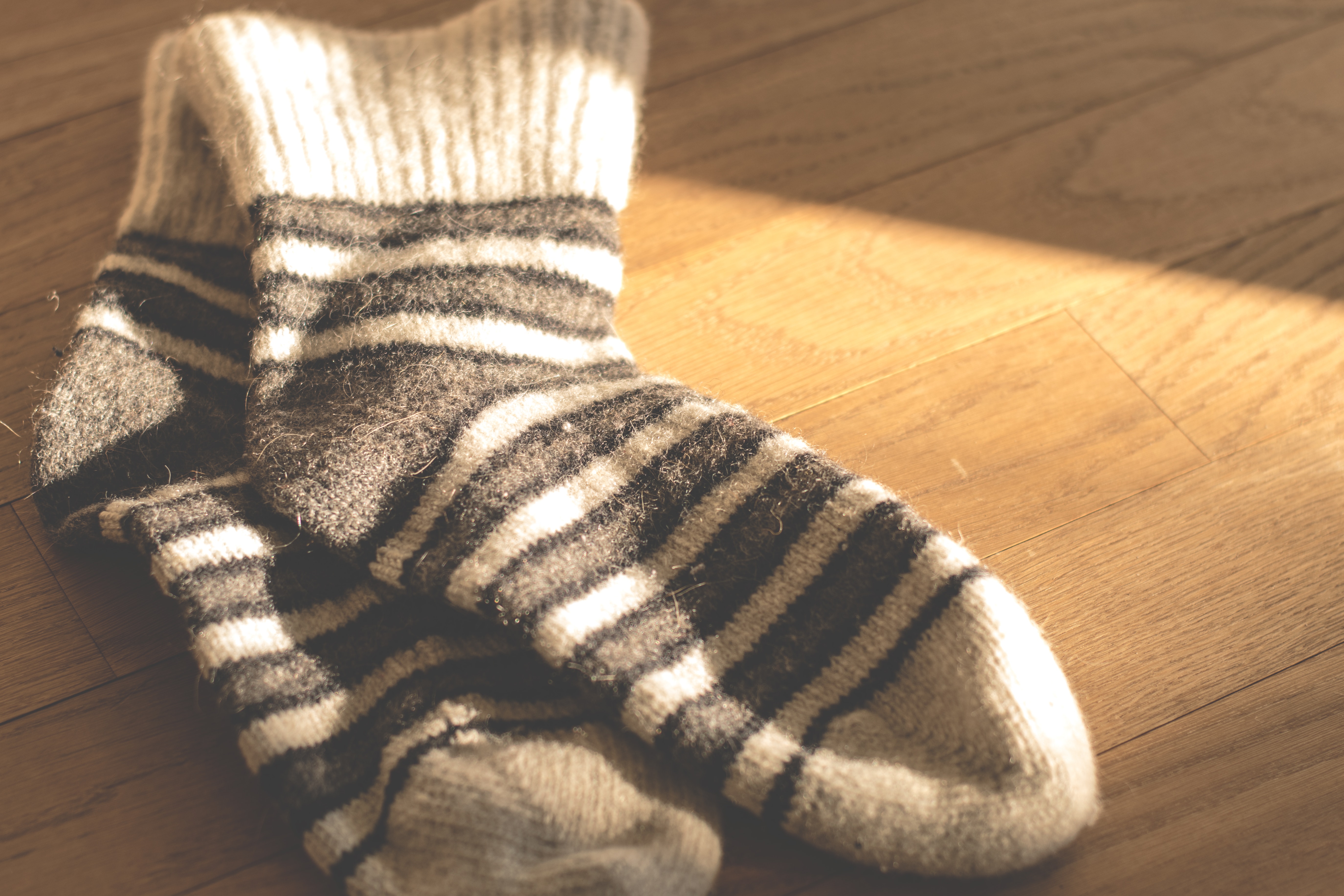
- Wear woollen or cotton socks that allow your feet to breathe
- Cover all exposed skin to protect it from prolonged exposure to the cold and keep it warm and dry
- Dress warmly in layers of loose clothing as this traps body heat more efficiently than wearing one bulky layer
Care and prevention
- Keep your hands and feet at a consistent temperature – never too hot and not too cold
- Rewarm your body gradually and not suddenly when coming inside from the cold
- Wear footwear with a thick, firm base which protects your feet from being directly exposed to cold floor surfaces
- Adequately heat your home and workplace and avoid draughts
Treatments and creams
- You can apply a chilblain cream or deep heat as they open the blood vessels to improve circulation when exposed to the cold
- Calamine lotion can be used to relieve discomfort where chilblains have caused the skin to become broken
- Wax foot baths are also effective in relieving the discomfort and rewarming the feet
- If there is ongoing itching, your Podiatrist might recommend prescribe you a corticosteroid cream to reduce the inflammation.
What to do next if you’re experiencing discomfort caused by chilblains?
Chilblains can be painful and uncomfortable, but usually clear up within one to three weeks and usually don’t cause any long-term health problems. They can recur seasonally each winter for years. If you get them during the warm seasons, then also consult your podiatrist.
If you are experiencing any kind of discomfort or foot pain that is persistent or severe, then check in with your local Podiatrist who can accurately diagnose and properly treat the problem. A Podiatrist can conduct a proper assessment of your feet along with any footwear you regularly wear, and give you recommendations if treatment is required to correct anything or tips on how to care for your feet.
Your Foot Clinic is open as usual with additional measures in place to ensure we are offering a COVID-safe environment.