

Your guide to bunions on your feet
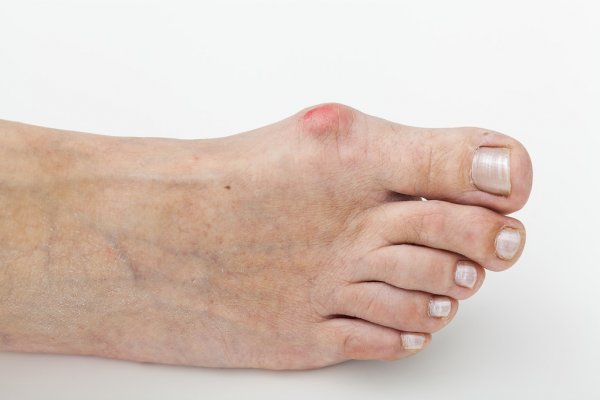
A bunion is a deformity of the bone joint at the base of the big toe. The medical name is hallux valgus. Hallux means big toe, and valgus means turned away from the midline of the body.
One of the main ways to tell if you have one, is if your big toe starts pointing towards the other toes on the same foot. At the same time, the first metatarsal (the bone in that joint) starts to stick outwards. You might also see the skin looking red, swollen or feeling sore.
Causes of bunions
Most patients we see in the clinic naturally want to know how they’ve got a bunion. Sometimes people have had them for many years before seeking advice.There are a few different potential causes but bunions are nearly always acquired deformities.
Bunions often run in families so although the shoe style may be a trigger, it’s likely that the sufferer is predisposed to getting a bunion during their lifetime.
Bunions can also develop as a result of the shape of your foot, or poor foot function, such as collapsed arches or flat feet, the shape of the bone head or loose tendons and joints.
Bunions can also occur after an injury; because of a genetic deformity from birth or a medical condition, such as gout or rheumatoid arthritis.
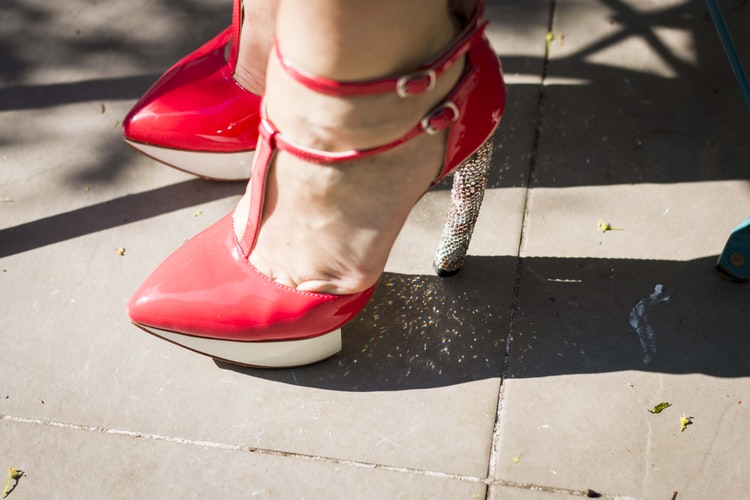
Anyone can get a bunion but we tend to see them occurring more often in women and older people. Females are more susceptible because, if they wear high heels for long periods of time, the weight of their body is tipped forwards. This forces the toes into the front of the narrow toed shoe placing compressive pressure on the joints and resulting in changes to the toes.
What having a bunion feels like
The pain might come and go but you will probably see a bump on your big toe joint. Sometimes this will be accompanied by some swelling, redness or feeling sore.
The bursa of your toe joint (a sack of fluid that surrounds and cushions your joints) can often become inflamed if you have a bunion. You might also notice decreased or limited movement of your big toe as it becomes stiff and also painful. It might be hard to find shoes that fit properly because the lump that the bunion causes makes the foot wider. Your existing shoes therefore aren’t wide enough to accommodate the bone joint and so wearing them puts additional pressure on the joint.
As the condition worsens, you may be restricted from certain activities that you normally enjoy such as exercise and walking. Corns and calluses can start to develop because the bunion pushes your big toe across, causing it to rub on the second toe. Sometimes the bunion also causes the two toes to overlap.

Treatment of bunions
Once your podiatrist examines your foot and confirms that you have a bunion, they will then they will discuss the bunion treatment options with you. If you are assessed and they are treated early then the deformity can be slowed and possibly stopped completely.
There are four stages of bunion development.
- Firstly, as the bunion starts to develop, a bump will appear at the base of the big toe
- Then the big toe begins to move towards the second toe
- At stage three, the big toe presses up against the second toe and there is no longer a gap between them
- Finally, the big toe moves under the second toe.
Depending on the severity of the bunion, we would usually suggest some simple and conservative treatments first including:
- Changing the shoes you wear most often to ones which fit properly and don’t further aggravate the bunion
- Padding (or a bunion shield) that creates a cushion between the foot and shoe. This can help relieve irritation and pain
- Orthotics that distribute the pressure more evenly in your foot when walking can help to reduce the discomfort and the bunion from getting any worse
- Ice packs can be applied after long periods on your feet which can also help reduce the inflammation and make your foot feel more comfortable.
If these conservative measures don’t work to reduce the ongoing discomfort associated with bunions then surgery may be considered to increase quality of life. Part of the bone can be taken out of the toe so that it can be straightened again. These are secondary measures as full recovery from such an operation can take up to 6a few months which isn’t always practical. Once you’ve had surgery, permanent changes will need to be made including the types of shoes you choose to wear to ensure they fit well and don’t put any more improper pressures on the foot.
Preventing bunions from occurring
Patients always like to know what they could have done to prevent the bunion in the first place or make sure they don’t get another one.
To prevent a bunion from occurring, you can focus on avoiding the things that cause them. For example, choose your shoes carefully. People who wear shoes that are too narrow and therefore tight for the width of their feet, or too pointed (forcing the toes together) are more likely to develop bunions.
So choosing shoes with a sufficiently wide toe box that leaves enough space for your foot to spread out comfortably is a good place to start. A good rule of thumb is to choose shoes that match the shape of your feet, avoiding any styles that press, squeeze or confine the feet.
Not sure what to do next?
If you are experiencing foot pain that is persistent or severe, check in with your local Podiatrist to accurately diagnose and properly treat the problem. A Podiatrist can conduct a proper assessment of your feet along with any shoes and give you recommendations if treatment is required to correct anything or tips on how to better care for your feet.
To help prepare for your appointment it can be useful to bring the shoes you most often wear to show the Podiatrist. Try and remember how long you’ve had the problem for and what the key symptoms are so that you can describe them. If there’s anything you’ve tried already at home which improved or worsened your symptoms then it’s often useful to mention those too.
Your Foot Clinic is open as usual with additional measures in place to ensure we are offering a COVID-safe environment.