

A podiatrist is a university-qualified health professional who diagnoses, treats and manages conditions affecting the feet and lower limbs. From routine nail care to complex foot pain and minor surgery, podiatrists provide expert care for all ages.
Key Takeaways
- Podiatrists treat a wide range of foot and lower limb conditions, from everyday nail care to sports injuries and pain management.
- They play a key role in supporting people with chronic conditions such as diabetes and arthritis.
- Services can include assessments, footwear advice, orthotics, and minor surgery such as ingrown toenail removal.
- You don’t need a referral to see a podiatrist, but Medicare rebates may be available under a GP plan.
- Podiatrists help patients of all ages, including children, athletes, older adults, and those living with disability.
Supporting people with diabetes
People with diabetes are at higher risk of developing foot problems. High blood sugar levels can damage nerves and small blood vessels in the feet, reducing sensation and circulation. This means small injuries may go unnoticed and can develop into serious complications.
Podiatrists recommend an annual foot health assessment for people with diabetes. During this check, they test sensation, blood flow and skin condition, aiming to prevent ulcers and reduce the risk of severe outcomes.
Helping people start new activities
Taking up a new sport or exercise routine sometimes leads to injuries such as stress fractures, heel pain or arch pain. Podiatrists can assess your walking, running and movement patterns with a running technique assessment, and suggest modifications to reduce injury risk.
They also recommend suitable footwear and warm-up exercises for sports like running, football and netball, which place significant stress on the feet and ankles.
Managing leg, knee, hip and back pain
Foot function can influence pain higher up the body. Flat feet or very high arches can change the way someone walks, leading to strain in the knees, hips or lower back.
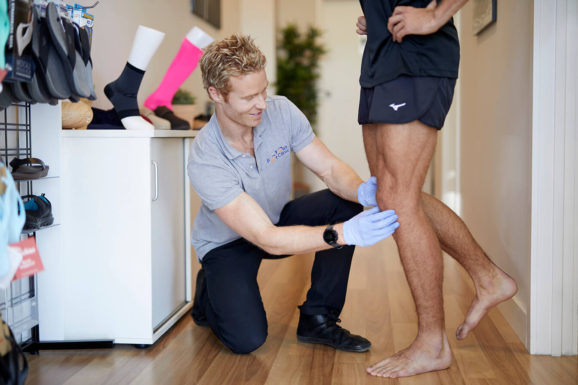
Podiatrists assess whether foot posture, shoes or biomechanics are contributing to pain. Management may include strengthening exercises, footwear changes or orthotics to improve alignment and reduce discomfort. This type of care can benefit people with knee, hip and back pain.
Providing minor surgery
All podiatrists are trained to perform minor nail surgery. This often involves correcting or removing ingrown toenails, which can be more effective than home remedies or GP management.
Advising on footwear
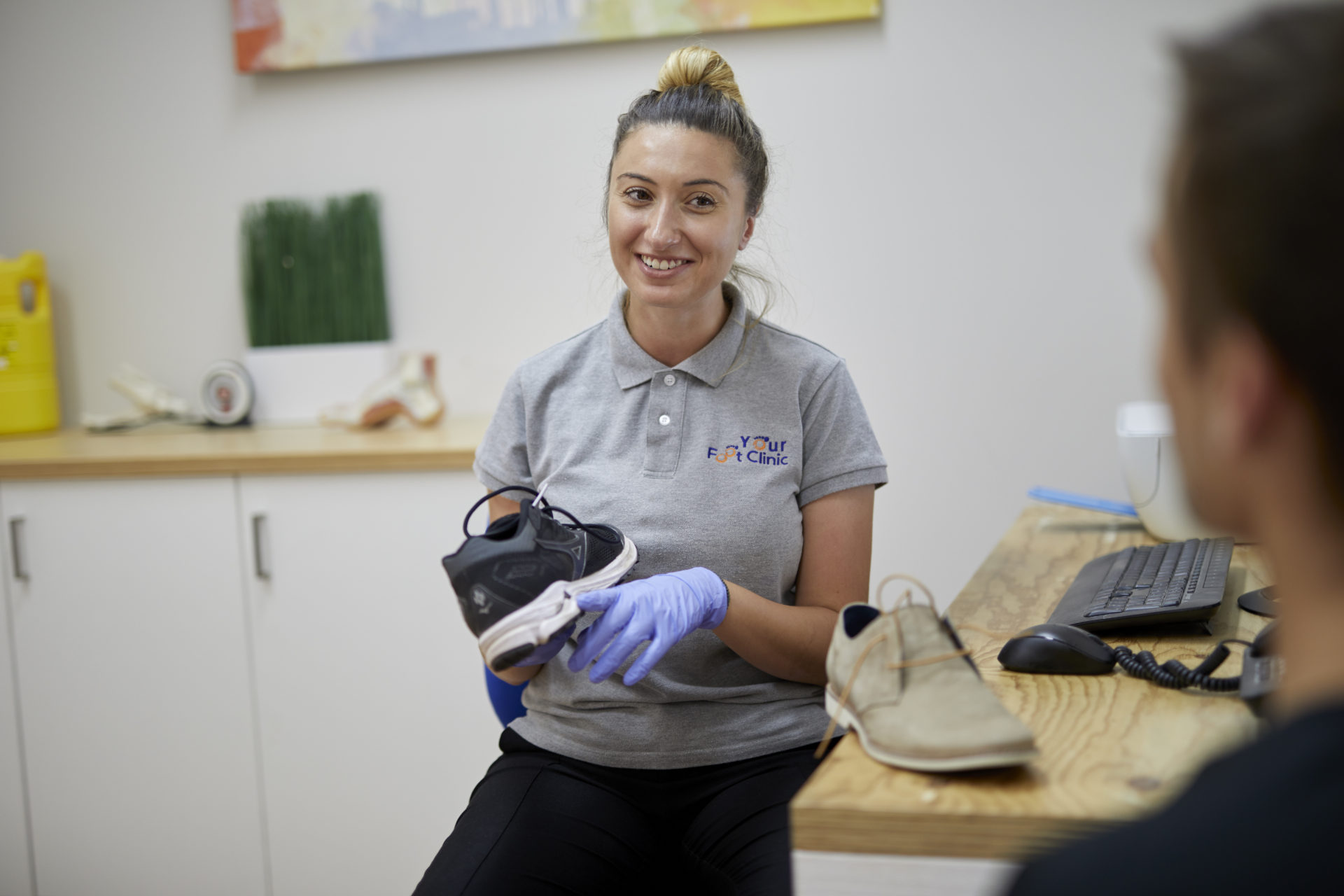
Shoes play a big role in foot health. Podiatrists provide guidance on choosing footwear for comfort, injury prevention, and condition management. This may include:
- Assessing the fit and support of current shoes
- Recommending sport-specific footwear
- Advising on everyday casual shoes to reduce discomfort
- Making modifications to shoes, such as stretching or adjusting soles
When footwear contributes to issues like corns, calluses, or pain, podiatrists can guide you on suitable changes.
Treating ankle sprains
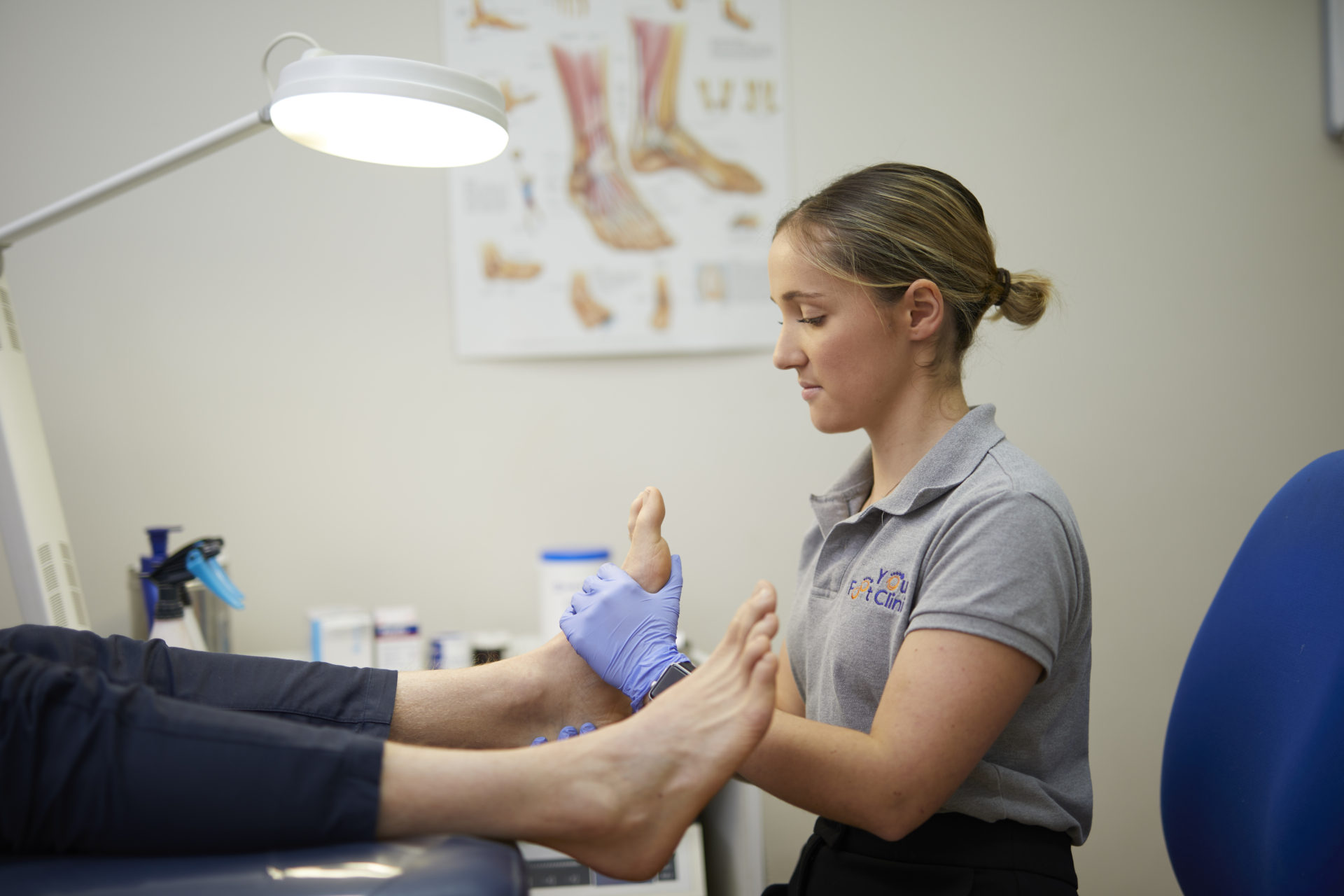
Ankle sprains are a common injury and podiatrists can assess severity, refer for imaging such as x-rays or ultrasounds, and create a treatment plan. These services may be bulk billed if referred via a GP. For more severe injuries, they’ll work with patients to restore strength and stability in the ankle and leg.
Treating warts on feet
Warts on the feet can be stubborn and painful, especially when located on the soles. A podiatrist can remove hardened skin that builds up around them and apply treatment tailored to the type and location of the wart, helping when home remedies have failed.
Supporting people with arthritis
Arthritis and chronic joint pain can limit movement in the feet. Some podiatrists use mobilisation and manipulation techniques to improve joint motion and reduce discomfort, helping people stay active and mobile despite foot bone problems.
Educating patients
A podiatrist doesn’t just provide treatment—they also help you understand how your feet work, and what you can do at home to manage or prevent issues. Education is key in managing both short-term injuries and long-term conditions, from heel pain to diabetic complications.
Do I need a referral to see a podiatrist?
You don’t need a referral to book an appointment. However, you may be eligible for Medicare rebates if your GP organises a Chronic Disease Management plan, or if you have private health cover with podiatry extras.
Book an appointment with our podiatrists to discuss your concerns and keep your feet healthy.