

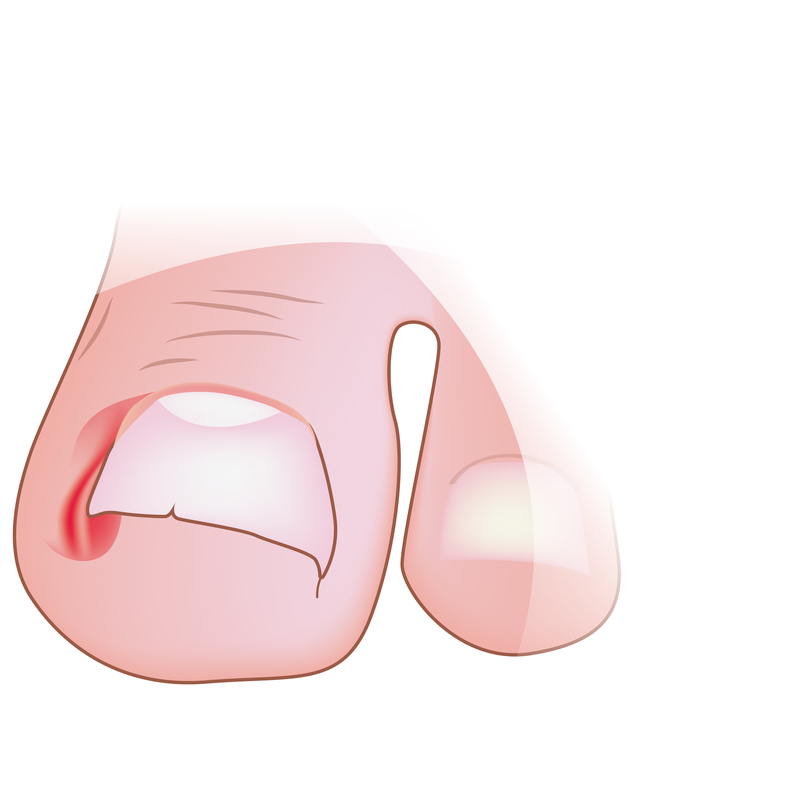
An ingrown toenail is a condition in which the edge, corner or side of a toenail curls down and grows into the skin next to the nail. It most commonly affects the big toe. Pain, redness and swelling usually occur around the affected nail. They can sometimes become infected, which, if left untreated, can spread to the underlying bone.
Symptoms – how do you know if you have an ingrown toenail?
The symptoms of an ingrown toenail worsen in stages. Early-stage symptoms include:
- skin next to the nail becoming tender, swollen, or hard
- pain when pressure is placed on the toe
- fluid building up around the toe.
Then, at later stages and if your toe becomes infected, symptoms may include:
- red and swollen skin
- more severe pain
- bleeding from broken skin
- oozing yellow pus
- an overgrowth of skin around the toe.
In young children, symptoms may also include limping as they try to avoid putting pressure on the particular area of the toe where the nail is ingrown.
Causes – how and why do ingrown toenails occur?
There are a number of causes of ingrown toenails:
- Footwear, socks or stockings that are too tight and so place a lot of pressure on the toes
- A toenail injury, including stubbing your toe, dropping something heavy on your foot
- Poor foot hygiene, such as not keeping your feet clean or dry, leading to a damp, warm environment making your skin soft and easier for toenails to dig in
- A genetic predisposition to your nails growing with naturally curved edges or being fan shaped, can mean you are more likely to get ingrown toenails.
- Not cutting your toenails properly – for example cutting them too short or not straight across
- If you pick or tear the corners of your toenails this can also cause them to become ingrown.
Certain activities can also mean that you are more likely to suffer from ingrown toenails; particularly ones where you repeatedly kick an object or put pressure on your feet for long periods of time. This can cause damage to the toenail and therefore increase the risk of ingrown toenails. Examples of the types of activities that could cause nail damage over time are:
- ballet
- football
- kickboxing
- soccer.
The ingrown toenail itself, is caused by the pressure from the ingrowth of the nail edge into the skin of the toe. Once the edge of the nail breaks through the skin, it produces inflammation. This might just cause minor discomfort initially; but if not treated, can progress into an infection in the skin which is much more painful.

Infections – what causes infections in ingrown toenails?
The warm, moist environment of the feet can be a breeding ground for bacteria.These commonly include Staphylococcus and Pseudomonas. When there is a break in the skin from the nail, these organisms can invade the area and cause an infection. Treatment for these infections is essential to maintain healthy toenails and feet.
Appearance – What does an ingrown toenail look like?
At first, the skin next to the nail may be tender, swollen, or hard. The nail may feel painful in response to pressure, and there may be inflamed and overgrown skin at the tip of the toe.

Treatment – can you treat them at home?
In some circumstances, an ingrown toenail will grow out on its own. You should avoid cutting it at home, as this can make it worse or cause infections. For short term, pain relief, you can soak your foot in warm salt water.
Diagnosis – what to expect when you seek professional help
The diagnosis of an ingrown toenail is generally straightforward and does not require diagnostic labs or images. A podiatrist will usually be able to diagnose an ingrown toenail just by looking at the area.
Treatment – how are they treated by a medical professional?
You can’t leave ingrown toenails untreated. A podiatrist can remove the ingrown portion of the nail – this is the part that is digging into your skin. Occasionally, some of the underlying nail bed is removed and in some cases, part of the growth centre. These minor surgeries are effective treatments for ingrown nails and can be done at the podiatry clinic. The procedure takes about 30 minutes and involves numbing the toe first and using a local anesthetic.
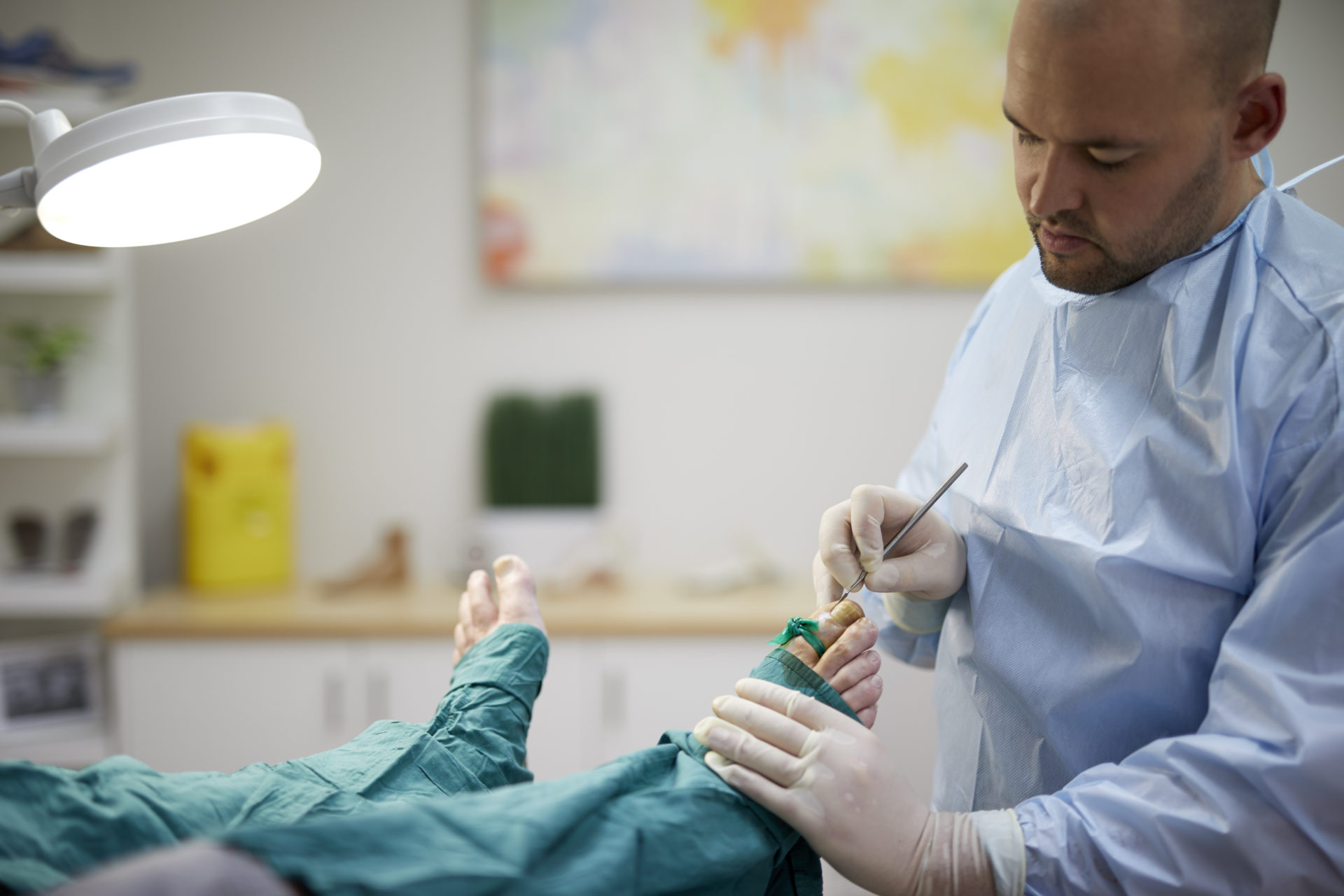
During a partial nail removal, the sides of the nail are cut away so that the edges are completely straight. Your podiatrist will also apply a compound called phenol into the side of the affected nail bed. This kills the growth centre of the removed section of nail and prevents the nail from growing back. Unfortunately, this part of the procedure isn’t performed by all practitioners and so re-growth is more likely to occur in these cases.
Aftercare – how to look after your toenails after surgery
After ingrown toenail surgery, your toe will be bandaged and you can go home. There is usually only very slight pain once the anesthetic wears off. You will need to avoid movement as much as possible and keep your foot raised for one to two days. Wearing special footwear will allow your toe to heal properly.
The bandage is usually removed three days after surgery. Your podiatrist will advise you to wear open-toe shoes and to do daily salt water soaks until your toe completely heals which usually takes around 4-6 weeks. You will also be prescribed pain relief medication and antibiotics to prevent infection.
Will they reoccur?
Like with all surgery, nothing is guaranteed but the success rate of the surgery is increased by the use of phenol into the side of the nail once it’s removed. If by chance the nail does re-grow, removing the section again and using phenol is the best way to permanently stop it from returning.
Who’s more susceptible? Are some people more susceptible than others?
Ingrown toenails occur in both men and women. They may be more common in people with sweaty feet, tight shoes, and during periods of growth such as children and teenagers. Older people may also be at higher risk because toenails thicken and deform with age. Diabetics with circulatory problems and slow healing are also more of a concern if they’re suffering from ingrown toenails.
How do you prevent them from occurring again or in the first place?
There are some simple ways in which you can maintain your toenails and reduce the risk of ingrown nails from occurring in the first place.
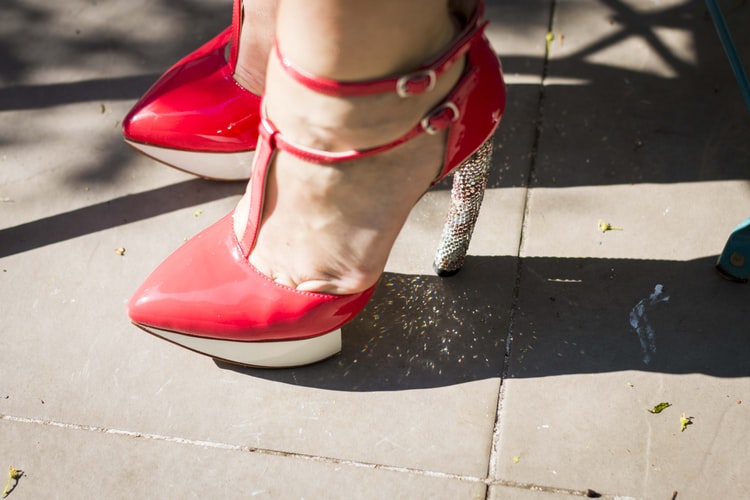
Wear well-fitting shoes. Footwear that is too tight squashes and pinches the toes.
- Cut toenails straight across. Don’t angle the sides of the nail as this can encourage the nail to grow into the skin
- Use clippers specifically designed for toenails. These are the right shape and provide enough force to quickly trim, not tear, the nails. Avoid sharing nail clippers and wash them after use to avoid introducing bacteria into the skin under the nail.
- Do not cut the toenails too much shorter than the end of the toe itself. Doing so increases the risk of the toenail growing into an unusual shape.
- Keep your feet clean and dry.
If you think you have an ingrown toenail or are experiencing discomfort from a persistent foot problem, see a podiatrist as part of your regular health routine for foot checks, treatments and tips for your nail care.