

It affects all ages and genders and the reasons are far and wide…some people just don’t like their feet. Or other people’s! It’s estimated that you’ll likely have walked 120,000 kms by the age of 50. So it’s not surprising that your feet might not always look in perfect condition. Issues with how your feet and toes look and feel can be caused by the shoes you wear, the activities you do, your genetics, age, an illness or injury. Here, we share some of the things we hear our patients say when we treat them and tell you about the causes and what you can do to look after your foot health.
“I think my feet are ugly”
Calluses, hard, thickened or discoloured skin, fungal nail or just mis-shapen toenails can all contribute to you feeling less than confident about exposing your feet.
Toenails that are painted nearly constantly with no break in between can become brittle and discoloured making their appearance undesirable. So make sure you give them a break for the nail to breathe. Cut and file them regularly.
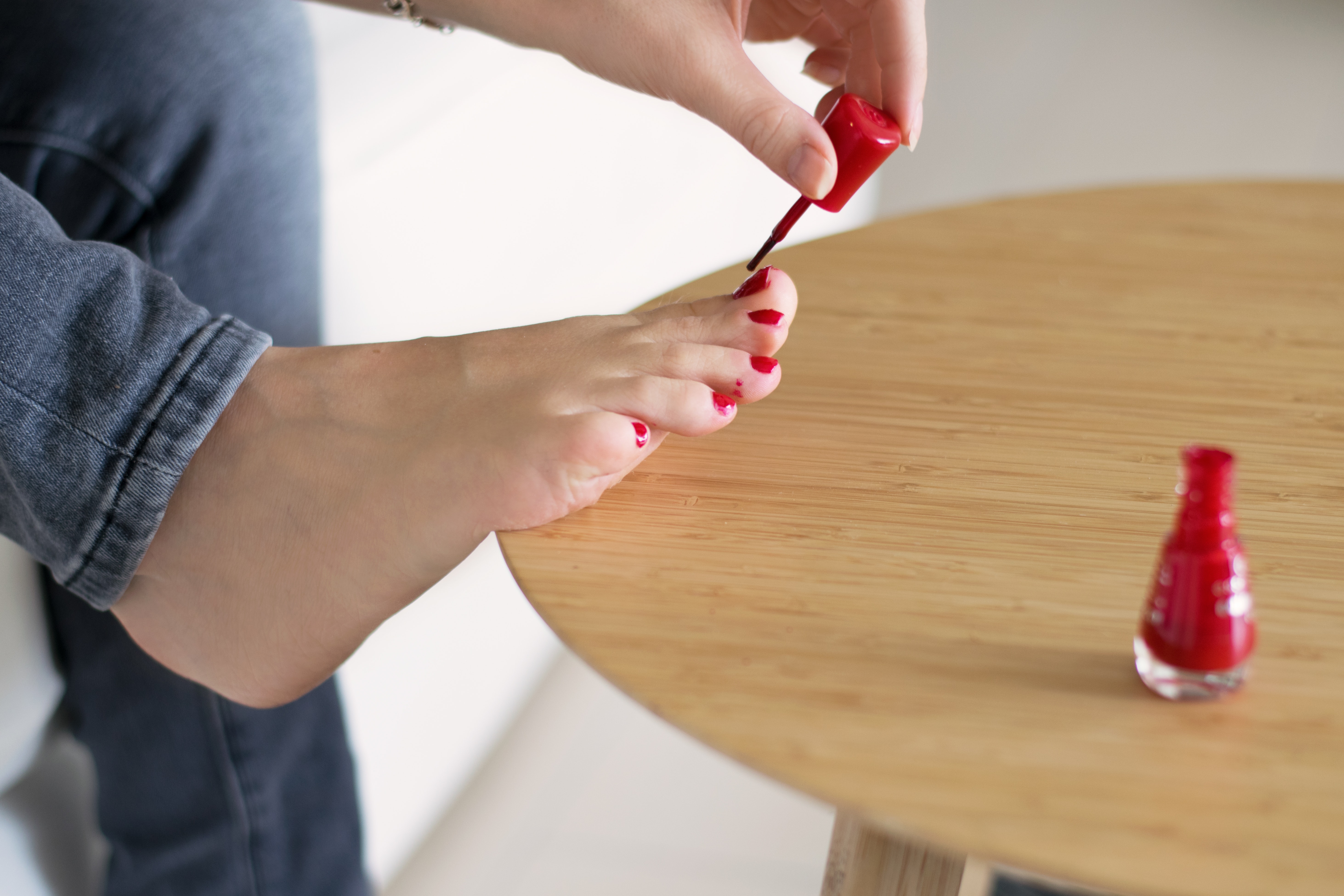
Damaged toenails that have regrown differently to the others can also be caused by injury. For example if you drop something on it and have damaged or lost the toenail at some point. It can regrow differently to the existing toenails or sometimes, not at all.
Athlete’s foot – caused by a fungus that thrives in warm, wet and dark environments – can occur in the areas in between the toes or on the soles of the feet. The condition causes inflamed skin, a white, scaly rash that peels off the foot and redness. It’s easily treatable and should be to avoid it spreading to other areas of the body.
“My feet are too big”
Feet usually stop growing a few years after puberty. In girls, this is around 14 years of age, and in boys, 16. The final closure of growth plates in the feet occurs between the ages of 18 and 20.
Wide, flat feet, short toes or ‘cankles’ are all things we hear people say they dislike about their feet. It’s important to look after them regardless of whether you have ‘foot model’ feet or not.
Some people avoid wearing flat shoes as they worry it makes their feet look too big. Don’t try and squeeze your feet into a smaller or narrower shoe if the natural size and shape of your foot means this causes discomfort. This can also lead to blisters or sores from the shoe rubbing, discoloured or disfigured toenails or other inflammation such as a bunion. These conditions can mean you are limited to the types of shoes you can wear because of pain and discomfort. So it’s best to choose shoes that fit well in the first place.

“My feet are often smelly”
It’s bacteria on the skin which breaks down sweat as it comes from the pores that causes feet to smell. An occasional odour is most often just caused by perspiration and therefore easy to solve. Wearing socks and shoes that are not breathable can cause the feet to smell. Or failing to dry out or wash shoes and socks that have been made wet with sweat, before wearing them again.
To keep feet fresh, we suggest not wearing the same pair of shoes two days in a row, wash and dry your feet every day and don’t wear the same pair of socks twice in a row without washing them.
“My feet are painful”
As your feet age, the structures in your foot begin to weaken. People experience this as sore feet at the end of the day. Other foot problems into your 40s and 50s can include bunions – a bony lump sticky out at the base of the big toe joint. In your 60s and beyond, as the fatty padding on the base of the feet reduces, people become more prone to calluses and corns.
Protect your feet with good quality, properly fitted footwear, rest and addressing any issues as soon as they occur rather than leaving them to progress and worsen.
“My feet are always cold”
There are several causes that make feet feel like ice blocks – cold environments, a sedentary lifestyle or poor circulation preventing enough warm blood getting to the extremities of the body. Cold feet can also be a symptom of other issues such as Diabetes, stress or anemia.
Try to keep your feet at a constant temperature and avoid them sitting on cold surfaces (such as a tiled kitchen floor) for long periods of time and wear socks and/or well insulated slippers or ones with a leather sole to create a barrier between you and the floor.
Movement is also a good remedy. Get up and walk around periodically during the day if you work at a desk most of the time to get the blood circulating.
“My toes and toenails don’t look good”
Ingrown toenails – where the nail grows into the nail groove – can cause pain and discomfort. You might see the skin become inflamed or red around the area where the nail is pressing into it. This can be avoided with good nail care. Cut straight across the toenail with a good pair of nail clippers and seeking advice from a Podiatrist if you think there is a more serious issue occurring.
Nails can also become thickened and discoloured. This often happens due to trauma. Think stubbing or dropping something on your toe; or micro trauma such as walking around in shoes that are too small. They may also change their appearance due to fungal infections that can penetrate under the nail bed and begin to rot the nail.
Corns, callouses and warts are growths that can appear on the skin of your feet. Corns are thickened skin with a cone shaped centre. Callouses are just general thickening of the skin. Both form to protect the body from pressure or rubbing which is usually caused by footwear or pressure from the ground. Warts are caused by the Human Papilloma Virus (HPV) in the body which produces growth on the feet.
Clawed toes, are when the first joint points up and the second joint points down. Sometimes people are born with this condition or it can develop suddenly later in life. The deformed appearance can make people feel self conscious about showing their bare feet.
If your second, third, or fourth toe is crossed, bent in the middle of the toe joint, or just pointing at an odd angle then this could be because you have a Hammertoe. This bend in the toes means that corns or calluses may form on them due to increased pressure from the ground or footwear. This can sometimes be corrected by wearing inserts or foot pads to reposition the toes. If they become fixed in that position they can also become painful.
“I’m not sure where to get the right help”
If you are experiencing foot pain that is persistent or severe, check in with your local Podiatrist to accurately diagnose and properly treat the problem. A Podiatrist can conduct a proper assessment of your feet along with any shoes and give you recommendations if treatment is required to correct anything or tips on how to better care for your feet.
Sources
https://www.netdoctor.co.uk/healthy-living/wellbeing/a27562/why-people-hate-feet/
https://www.health.harvard.edu/staying-healthy/dont-forget-your-feet
https://www.everydayhealth.com/foot-health-pictures/common-foot-problems.aspx
https://www.webmd.com/a-to-z-guides/cold-feet-reasons#1