

We encourage anyone suffering from persistent or debilitating heel pain to see a podiatrist for a proper diagnosis and personalised treatment plan. But if you’re seeking early relief, here are five practical steps you can take today to start improving your symptoms at home.
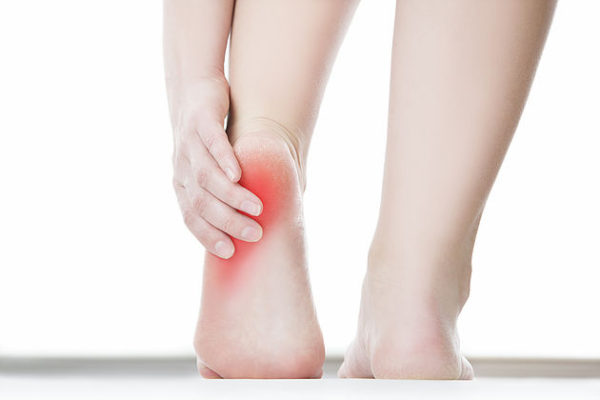
These strategies are based on what we commonly recommend in clinic, and they may help you reduce inflammation, restore movement, and manage discomfort while you wait for your appointment.
1. Change your footwear
Heel pain often begins with what’s on your feet. Most everyday shoes place the foot in unnatural positions, especially if they lack support or structure. When you’re averaging 10,000 steps a day, poor footwear quickly adds up — increasing stress through the heel, arch, and calf.
As a first step, we recommend switching to supportive, cushioned footwear that accommodates your arch and absorbs impact. For most patients, this alone can significantly reduce strain during the early weeks of recovery.
You can also book a Footwear Assessment if you’re unsure which shoes are suitable for your foot type or condition.
2. Apply heat or ice
Temperature therapy can play a role depending on whether your heel pain is acute or chronic.
- In the first week, apply ice at night to the sore area. This helps reduce swelling and calms inflammation after a long day on your feet.
- If the condition is chronic, gentle heat throughout the day can help. Warmth promotes blood flow, supports tissue repair, and assists in flushing out waste by-products from the affected area.
Either approach can complement other strategies like massage or stretching.
3. Stretch your calves
Tight calf muscles are a hidden contributor to heel pain, particularly in conditions like plantar fasciitis and Achilles tendinopathy. When calves are tight, your stride shortens and the heel works harder to compensate.
Some people feel temporary relief by wearing shoes with a raised heel, but this doesn’t fix the underlying tension. To get lasting results, incorporate daily calf stretching — aim for a sustained stretch of at least three minutes to truly lengthen the muscle and relieve heel pressure.
If you’re unsure where to start, you might benefit from our guided foot strengthening exercises.
4. Massage the area
Heel and arch massage can be a powerful tool — especially when you feel that sharp pain getting out of bed or after long periods of rest. You don’t need fancy tools: a tennis ball, dowel stick, or even your hands can help release tightness and improve circulation through the plantar fascia and surrounding muscles.
For best results, apply gentle heat to the heel before massage to soften tissue and increase blood flow.
If you’re unsure where to apply pressure or how often, our team can help you build a safe self-care routine during your appointment.
5. Mobilise, strengthen, and retrain your feet
Modern lifestyles have shifted us away from natural foot movement. We sit more, wear rigid shoes, and walk on flat surfaces — all of which reduce the strength and responsiveness of our feet.
That’s why long-term heel pain relief isn’t just about rest — it’s about retraining how your feet function. Mobilisation exercises, balance work, and strengthening routines all play a role in helping you recover and prevent future flare-ups.
These methods are especially useful if your heel pain has been ongoing or is linked to poor foot posture. You may benefit from foot mobilisation therapy or orthotics depending on your needs.
Book an appointment with one of our podiatrists to assess your footwear, check your gait, and get ahead of any issues before they escalate.
Book online now to take the first step toward relief.